Indole-3-Carboxaldehyde → HCID 178437866, compound
Reaction equation

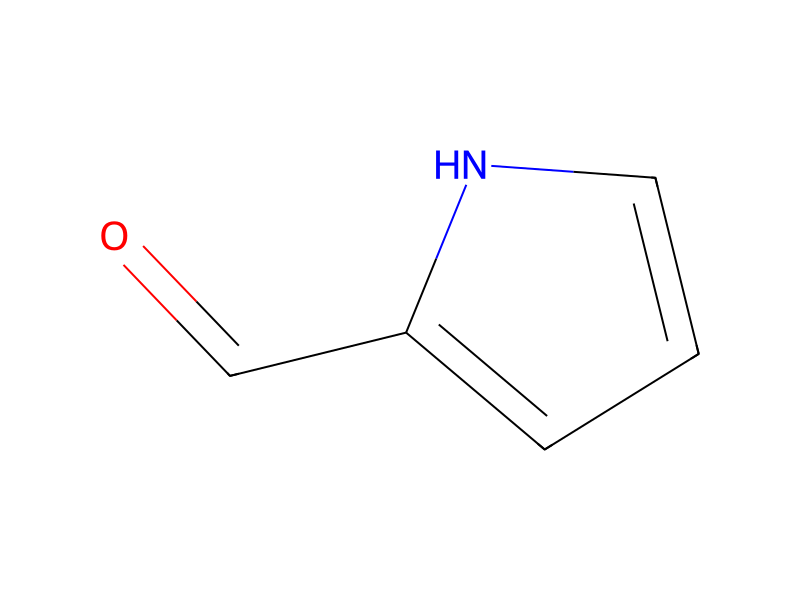
N1C2C(=CC=CC=2)N=CC=1C=O.N1C=CC=C1C=O.N1C2C(=CC=CC=2)C(C=O)=C1.[CH:31]1([N:36]2[C:40]3=[N:41][C:42]([C:46]4C=N[C:53]5[C:48](=C[CH:50]=[CH:51][CH:52]=5)[N:47]=4)=[N:43][C:44](=[O:45])[C:39]3=[C:38]([CH2:56][CH3:57])[NH:37]2)[CH2:35][CH2:34][CH2:33][CH2:32]1.C1(N2C3=NC(C4NC=CC=4)=NC(=O)C3=C(CC)N2)CCCC1.C1(N2C3=NC(C4C5C(=CC=CC=5)NC=4)=NC(=O)C3=C(CC)N2)CCCC1>>[CH:31]1([N:36]2[C:40]3=[N:41][C:42]([C:46]4[C:51]([CH3:50])=[CH:52][CH:53]=[CH:48][N:47]=4)=[N:43][C:44](=[O:45])[C:39]3=[C:38]([CH2:56][CH3:57])[NH:37]2)[CH2:35][CH2:34][CH2:33][CH2:32]1Participants
7



Procedure
It is contemplated that following the procedures of Example 2 but starting with 2-quinoxalinecarboxaldehyde, 2-pyrrolecarboxaldehyde, or 3-indolecarboxaldehyde in place of 6-methyl-2-pyridinecarboxaldehyde there can be prepared 1-cyclopentyl-3-ethyl-6-(2-quinoxalyl)-pyrazolo[3,4-d]pyrimidin-4-one, 1-cyclopentyl-3-ethyl-6-(2-pyrrolyl)pyrazolo[3,4-d]-pyrimidin-4-one, and 1-cyclopentyl-3-ethyl-6-(3-indolyl)pyrazolo[3,4-d]pyrimidin-4-one.
Sources & evidence
- ORD record
- ord-f166b91d33894f86acea0f0ad9c39f49
- Source dataset
- uspto-grants-1994_03
- Patent number
- US05294612
Reaction notes
Loading…