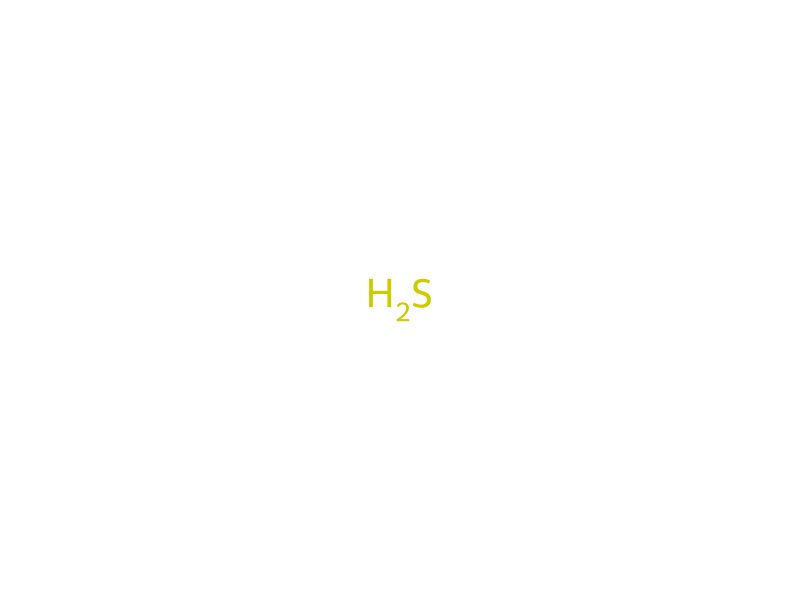
Hydrogen Sulfide → HCID 178491226, compound
Reaction equation

C(C1[CH:4]=[C:5]2[C:9](=[CH:10][CH:11]=1)[N:8](CC1C=CC(OC)=CC=1)[N:7]=[C:6]2[CH3:21])#N.C([N:24]([CH2:27][CH3:28])[CH2:25][CH3:26])C.N1[CH:34]=[CH:33][CH:32]=[CH:31][CH:30]=1.[SH2:35].C([O:39][CH2:40]C)(=O)C>>[CH3:40][O:39][C:32]1[CH:33]=[CH:34][C:28]([CH2:27][N:24]=[C:25]([C:26]2[CH:4]=[C:5]3[C:9](=[CH:10][CH:11]=2)[NH:8][N:7]=[C:6]3[CH3:21])[SH:35])=[CH:30][CH:31]=1Participants
5



Procedure
To a solution of 5-cyano-N-(4-methoxybenzyl)-3-methylindazole 106 (0.25 g, 0.903 mmol) in 10% v/v triethylamine-pyridine (10 mL) was bubbled hydrogen sulfide gas for 10 minutes. The reaction mixture was stirred at room temperature for 16 hours. Ethyl acetate (100 mL) was added and the organic layer was washed with water, 1% aqueous citric acid and brine. The organic layer was dried over sodium sulfate. The organic solvent was evaporated under reduced pressure to yield N-(4-methoxybenzyl)-3-methylindazole-5-carboximidothioic acid 107 which was used in the next step without further purification.
Workup
- washthe organic layer was washed with water, 1% aqueous citric acid and brine
- dry with materialThe organic layer was dried over sodium sulfate
- customThe organic solvent was evaporated under reduced pressure
Sources & evidence
- ORD record
- ord-24d66aa78e084400a3003ed46a81d3c7
- Source dataset
- uspto-grants-2009_05
- Patent number
- US07528132B2
Reaction notes
Loading…