Potassium Carbonate → HCID 25918691, compound
Reaction equation

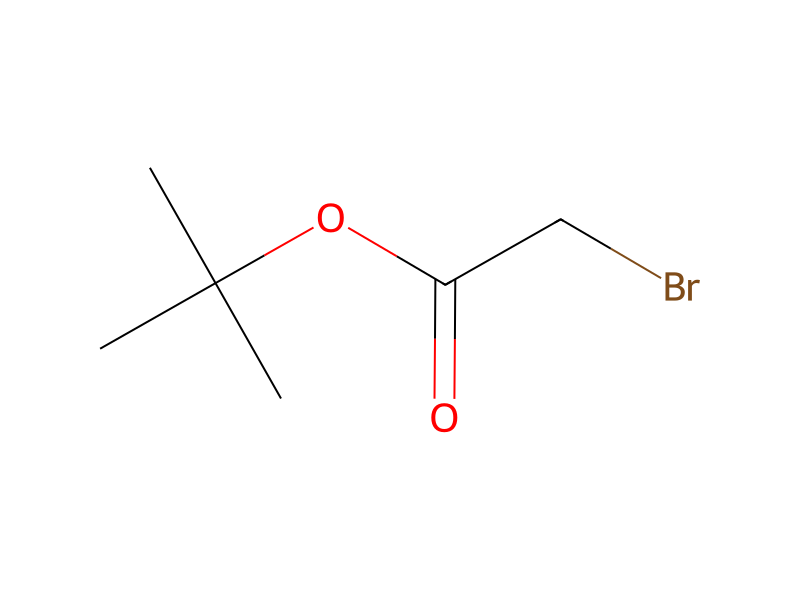
[C:1]([C:3]1[CH:8]=[CH:7][CH:6]=[CH:5][C:4]=1[OH:9])#[N:2].Br[CH2:11][C:12]([O:14][C:15]([CH3:18])([CH3:17])[CH3:16])=[O:13].C(=O)([O-])[O-].[K+].[K+]>CC(C)=O>[C:15]([O:14][C:12](=[O:13])[CH2:11][O:9][C:4]1[CH:5]=[CH:6][CH:7]=[CH:8][C:3]=1[C:1]#[N:2])([CH3:18])([CH3:17])[CH3:16]Participants
Reactant 3


Product 1

Reagents, catalysts & solvents 1

Procedure
2-Cyanophenol (107.1 g) is dissolved in acetone (1000 ml) and is added t-butyl bromoacetate (200.0 g). Furthermore, potassium carbonate (141.6 g) is added, and then the reaction solution is heated under reflux for 2 hours. After allowing to cool, the insoluble materials are removed by filtration, and then the insoluble materials are washed with acetone several times. The filtrate and the washing are combined, concentrated under reduced pressure and treated with diisopropyl ether azeotropically. The resulting residue is crystallized from n-hexane-diisopropyl ether (5/1) (600 ml), and then stirred under ice-cooling. The precipitates are collected by filtration, washed with cold n-hexane-diisopropyl ether (10/1) (600 ml) several times and dried to give the title compounds (194.5 g).
Workup
- temperaturethe reaction solution is heated
- temperatureunder reflux for 2 hours
- temperatureto cool
- customthe insoluble materials are removed by filtration
- washthe insoluble materials are washed with acetone several times
- concentrationconcentrated under reduced pressure
- additiontreated with diisopropyl ether azeotropically
- customThe resulting residue is crystallized from n-hexane-diisopropyl ether (5/1) (600 ml)
- temperaturecooling
- filtrationThe precipitates are collected by filtration
- washwashed with cold n-hexane-diisopropyl ether (10/1) (600 ml) several times
- customdried
Sources & evidence
- ORD record
- ord-61cc421a011543f08c62f05a1cd880b6
- Source dataset
- uspto-grants-2009_05
- Patent number
- US07531537B2
Reaction notes
Loading…