Diisopropylethylamine → HCID 68867528, compound
Reaction equation

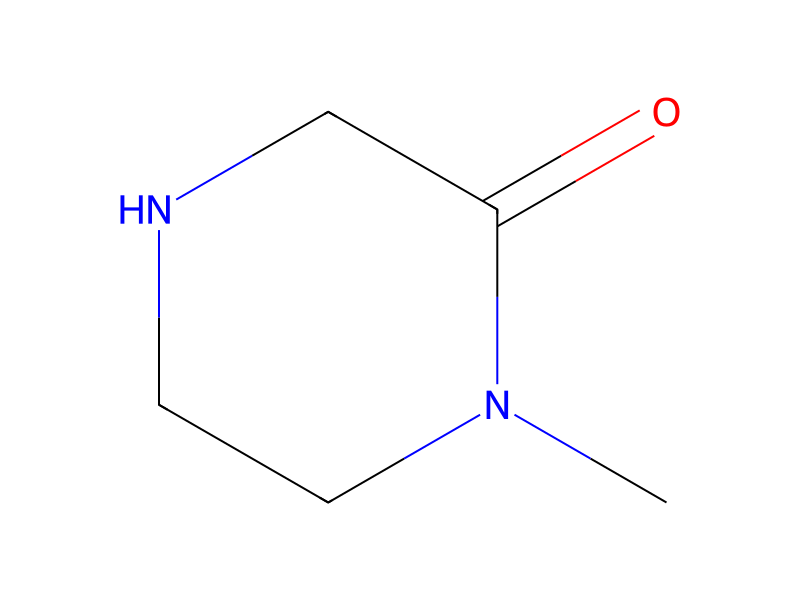
[Br:1][C:2]1[C:3](=[O:17])[N:4]([CH2:9][C:10]2[CH:15]=[CH:14][C:13]([F:16])=[CH:12][CH:11]=2)[N:5]=[CH:6][C:7]=1Br.[CH3:18][N:19]1[CH2:24][CH2:23][NH:22][CH2:21][C:20]1=[O:25].C(N(C(C)C)CC)(C)C>C(O)C>[Br:1][C:2]1[C:3](=[O:17])[N:4]([CH2:9][C:10]2[CH:15]=[CH:14][C:13]([F:16])=[CH:12][CH:11]=2)[N:5]=[CH:6][C:7]=1[N:22]1[CH2:23][CH2:24][N:19]([CH3:18])[C:20](=[O:25])[CH2:21]1Participants
5
Reactant 3


Product 1

Reagents, catalysts & solvents 1

Conditions
- Temperature
- 100 °C
Procedure
A mixture of 4,5-dibromo-2-(4-fluorobenzyl)pyridazin-3(2H)-one (0.8 g, 2.21 mmol), 1-methylpiperazin-2-one (0.33, 2.87 mmol; see Example 7, Step 3), and diisopropylethyl-amine (0.34 g, 3.32 mmol) in absolute ethanol (3 mL) was heated in a sealed tube in an oil bath at 100° C. overnight. The mixture was concentrated under vacuum. The residue was partitioned between ethyl acetate and brine. The organic extract was dried over sodium sulfate, filtered, and concentrated under vacuum. The residue was subjected to column chromatography on silica gel eluted with hexanes and ethyl acetate gradient to give titled material.
Workup
- concentrationThe mixture was concentrated under vacuum
- customThe residue was partitioned between ethyl acetate and brine
- extractionThe organic extract
- dry with materialwas dried over sodium sulfate
- filtrationfiltered
- concentrationconcentrated under vacuum
- washeluted with hexanes and ethyl acetate gradient
- customto give titled material
Sources & evidence
- ORD record
- ord-62863e842c1640c499f2a7f613aa57ed
- Source dataset
- uspto-grants-2009_05
- Patent number
- US07538112B2
Reaction notes
Loading…