Hydrochloric Acid → HCID 9944441, compound
Reaction equation

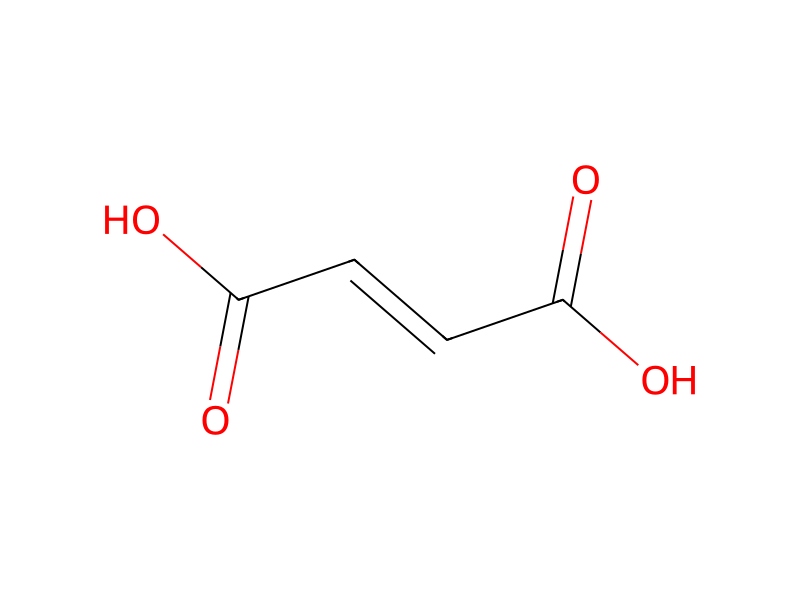
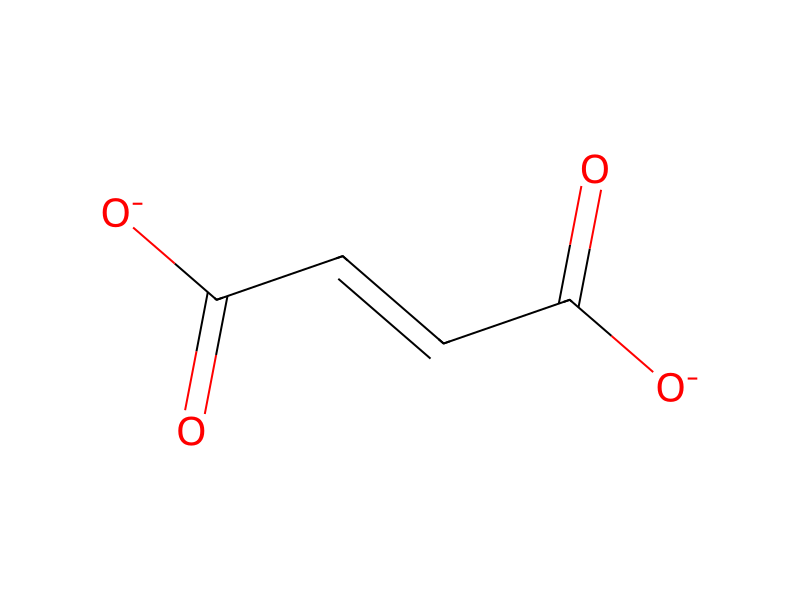
[CH3:1][N:2]([C:10]1([CH2:13][CH2:14][O:15][C:16]2[CH:17]=[N:18][CH:19]=[CH:20][CH:21]=2)[CH2:12][CH2:11]1)C(=O)OC(C)(C)C.Cl.[C:23]([O-:30])(=[O:29])/[CH:24]=[CH:25]/[C:26]([O-:28])=[O:27].C(O)(=O)/C=C/C(O)=O>O1CCOCC1.CCOCC>[C:23]([OH:30])(=[O:29])/[CH:24]=[CH:25]/[C:26]([OH:28])=[O:27].[CH3:1][NH:2][C:10]1([CH2:13][CH2:14][O:15][C:16]2[CH:17]=[N:18][CH:19]=[CH:20][CH:21]=2)[CH2:11][CH2:12]1Participants
7
Reactant 4


Product 1

Reagents, catalysts & solvents 2


Procedure
A solution of 1.2 g of the product obtained in Step 1 dissolved in 5 ml of dioxane and 4 ml of 4N hydrochloric acid in dioxan is stirred for 20 hours at ambient temperature and then 10 ml of ether are added. The precipitate formed is separated off, taken up in 15 ml of water and made alkaline by the addition of potassium carbonate. The aqueous phase is then extracted with dichloromethane. The organic phases are subjected to customary treatment which, after concentration under reduced pressure, allows the expected product to be obtained, which is converted into its fumarate form by treatment with an ethanolic solution of fumaric acid.
Workup
- customThe precipitate formed
- customis separated off
- additionby the addition of potassium carbonate
- extractionThe aqueous phase is then extracted with dichloromethane
- concentrationafter concentration under reduced pressure
- customto be obtained
Sources & evidence
- ORD record
- ord-9d33c96ecabb44f3a5617fd0542f40a4
- Source dataset
- uspto-grants-2005_09
- Patent number
- US06943184B2
Reaction notes
Loading…