Sodium Hydroxide → 1,2,3,5,10,10a-Hexahydrobenzo[e]pyrrolo[1,2-b]-1,2,4-thiadiazine-5,5-dioxide
Reaction equation

[NH2:1][C:2]1[CH:7]=[CH:6][CH:5]=[CH:4][C:3]=1[S:8]([NH2:11])(=[O:10])=[O:9].Cl[CH2:13][CH2:14][CH2:15][C:16](Cl)=O.[OH-].[Na+]>OS(O)(=O)=O>[CH2:14]1[CH:13]2[N:11]([S:8](=[O:9])(=[O:10])[C:3]3[CH:4]=[CH:5][CH:6]=[CH:7][C:2]=3[NH:1]2)[CH2:16][CH2:15]1Participants
5


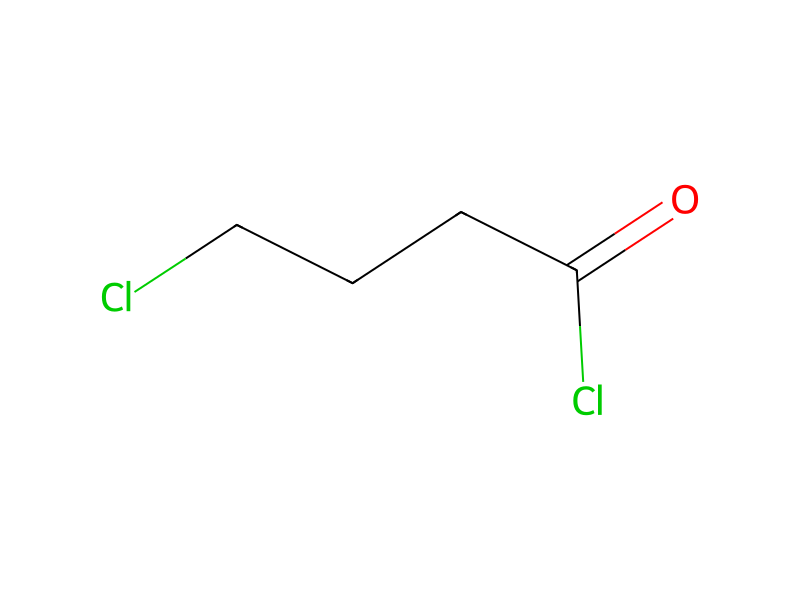


Conditions
- Temperature
- 100 °C
Procedure
2-Aminobenzenesulfonamide was used as starting material for the following transformation sequence: Method E (using 4-chlorobutanoyl chloride. The reaction mixture was NOT subjected to NaOH catalyzed ring closure, but dissolved in H2SO4 and heated at 100° C. for 72 h and precipitated on ice). M.p. 149-154° C.
Workup
- customprecipitated on ice)
Sources & evidence
- ORD record
- ord-86e5aafcaff348dab5b6a001df99aec1
- Source dataset
- uspto-grants-2005_09
- Patent number
- US06943159B1
Reaction notes
Loading…