Lithium Bromide → 1-(4-Bromo-2-phenyl-1-cyclopenten-1-yl)benzene
Reaction equation

[C:1]1([C:7]2[CH2:8][CH:9](S(Cl)(=O)=O)[CH2:10][C:11]=2[C:12]2[CH:17]=[CH:16][CH:15]=[CH:14][CH:13]=2)[CH:6]=[CH:5][CH:4]=[CH:3][CH:2]=1.[Li+].[Br-:23]>CC(C)=O>[Br:23][CH:9]1[CH2:8][C:7]([C:1]2[CH:6]=[CH:5][CH:4]=[CH:3][CH:2]=2)=[C:11]([C:12]2[CH:17]=[CH:16][CH:15]=[CH:14][CH:13]=2)[CH2:10]1Participants
4
Reactant 2
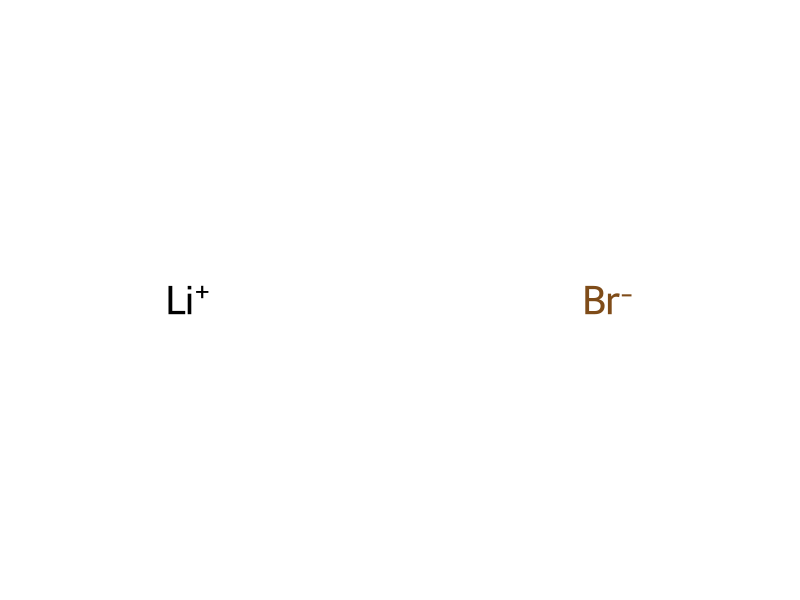

Product 1

Reagents, catalysts & solvents 1

Procedure
To a mixture of 3,4-diphenyl-3-cyclopentene-1-sulfonyl chloride (4 g) and 3 g of LiBr was added 70 mnL of acetone. Reaction mixture was stirred under reflux for 2.5 hr. Solvent was removed under reduced pressure and the residue was extracted with 60 mL of methylene chloride. Solution was filtered and solvent was removed under reduced pressure giving 3.1 g of product as brown-yellow solid.
Workup
- customReaction mixture
- temperatureunder reflux for 2.5 hr
- customSolvent was removed under reduced pressure
- extractionthe residue was extracted with 60 mL of methylene chloride
- filtrationSolution was filtered
- customsolvent was removed under reduced pressure
Sources & evidence
- ORD record
- ord-ff2f1e4efbab428db113a92c9982d1af
- Source dataset
- uspto-grants-2005_09
- Patent number
- US06946531B2
Reaction notes
Loading…