Water → 4-(4-Fluorobenzoylamino)-1-methoxycarbonylpiperidine
Reaction equation

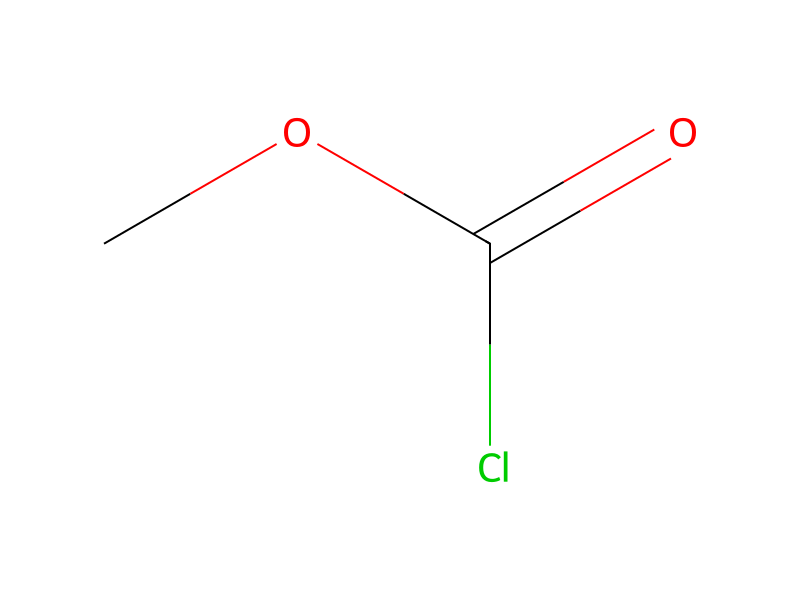
[F:1][C:2]1[CH:16]=[CH:15][C:5]([C:6]([NH:8][CH:9]2[CH2:14][CH2:13][NH:12][CH2:11][CH2:10]2)=[O:7])=[CH:4][CH:3]=1.N1C=CC=CC=1.Cl[C:24]([O:26][CH3:27])=[O:25].O>ClCCl.C(OCC)(=O)C>[F:1][C:2]1[CH:16]=[CH:15][C:5]([C:6]([NH:8][CH:9]2[CH2:14][CH2:13][N:12]([C:24]([O:26][CH3:27])=[O:25])[CH2:11][CH2:10]2)=[O:7])=[CH:4][CH:3]=1Participants






Procedure
To a solution of 4-(4-fluorobenzoylamino)piperidine (0.25 g) in dichloromethane (5 ml) were added in turn pyridine (0.14 ml) and methyl chloroformate (87 μl) at 0° C. The mixture was allowed to warm to ambient temperature and stirred for 1 hour. To the mixture was added N,N-dimethylaminopyridine (0.13 g) and allowed to stir for another 1 hour. The reaction mixture was taken up into a mixture of water and ethyl acetate. The separated organic layer was washed in turn with hydrochloric acid (1N), aqueous sodium hydrogen carbonate, and brine, and dried over magnesium sulfate. Evaporation under reduced pressure gave a residue, which was triturated with diisopropyl ether to give 4-(4-fluorobenzoylamino)-1-methoxycarbonylpiperidine (0.265 g).
Workup
- stirringto stir for another 1 hour
- washThe separated organic layer was washed in turn with hydrochloric acid (1N), aqueous sodium hydrogen carbonate, and brine
- dry with materialdried over magnesium sulfate
- customEvaporation under reduced pressure
- customgave a residue, which
- customwas triturated with diisopropyl ether
Sources & evidence
- ORD record
- ord-8fc580b69f654dc09dbfd4998ccc95cd
- Source dataset
- uspto-grants-2004_03
- Patent number
- US06710043B1
Reaction notes
Loading…