4-Methyl-2-Pentanol → Phosphorodithioic acid, zinc salt (1:?)
Reaction equation

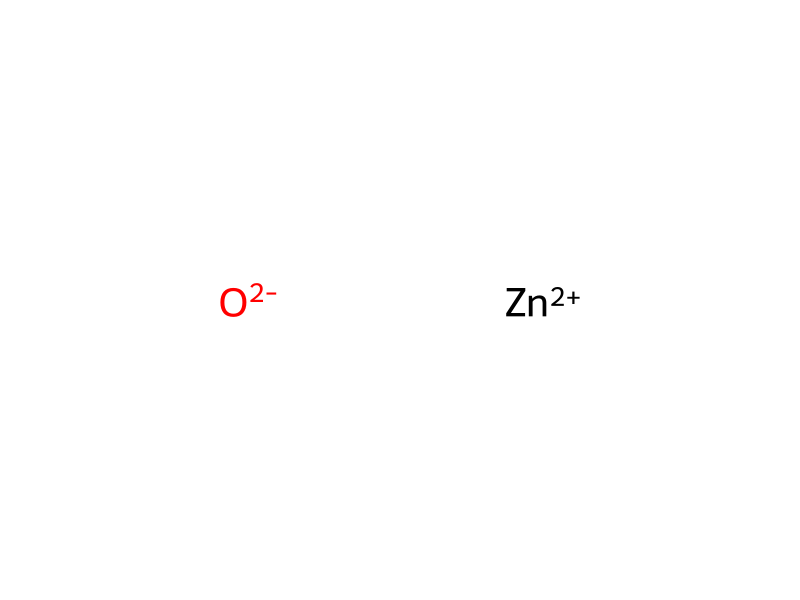
CC(C)CC([OH:6])C.P12(SP3(SP(SP(S3)(S1)=S)(=S)S2)=S)=S.[P:22](=[S:26])([OH:25])([OH:24])[SH:23].[O-2].[Zn+2:28]>O.C(O)(C)C>[P:22]([O-:25])([O-:24])([S-:26])=[S:23].[Zn+2:28].[P:22]([O-:25])([O-:24])([S-:26])=[S:23].[Zn+2:28].[Zn+2:28].[O-2:6].[Zn+2:28]Participants






Procedure
Preparation 1. A mixture of 12 mole percent isopropanol and 88 mole percent 4-methyl-2-pentanol is reacted with phosphorus pentasulfide in approximately a 4.5:1 molar ratio at a maximum temperature of 80° C. The resulting dithiophosphoric acid mixture is reacted with a 12% molar excess of zinc oxide suspended in mineral oil at a temperature of 90° C. for four hours. After the reaction is complete, water of reaction and excess alcohols are distilled under a reduced pressure of 2.7 kPa (20 mm Hg) at 90° C. The product, containing about 9 percent by weight diluent oil, has a Total Base Number (TBN, ASTM D-2896) of 5.56 and includes about 14 percent basic zinc dithiophosphate by 31p NMR analysis. The product contains 8.70% P and 9.45% Zn. (The basic zinc salt is a known material which is formed during the zinc oxide reaction, from 3 moles of neutral zinc dithiophosphate and one mole of zinc oxide. The basic zinc salt is believed to be in the form of a tetrahedral complex that titrates with strong mineral acid, and it is believed to account for the TBN content of the product mixture.)
Workup
- customPreparation 1
- customat a maximum temperature of 80° C
- distillationare distilled under a reduced pressure of 2.7 kPa (20 mm Hg) at 90° C
- additionThe product, containing about 9 percent by weight diluent oil
Sources & evidence
- ORD record
- ord-855a6cd15a9e464e92d9674b618cff26
- Source dataset
- uspto-grants-2010_08
- Patent number
- US07772171B2
Reaction notes
Loading…