1,2-Dichloroethane → 1-formyl-2,3-dihydro-1H-indole-5-sulfonyl chloride
Reaction equation

[CH:1]([N:3]1[C:11]2[C:6](=[CH:7][CH:8]=[CH:9][CH:10]=2)[CH2:5][CH2:4]1)=[O:2].ClCCCl.[Cl:16][S:17](O)(=[O:19])=[O:18].S(Cl)(Cl)=O>>[CH:1]([N:3]1[C:11]2[C:6](=[CH:7][C:8]([S:17]([Cl:16])(=[O:19])=[O:18])=[CH:9][CH:10]=2)[CH2:5][CH2:4]1)=[O:2]Participants


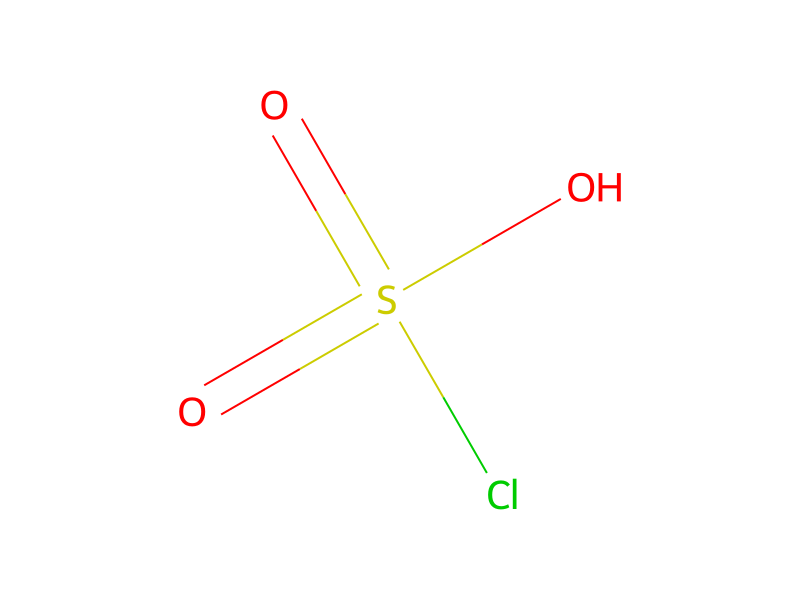


Conditions
- Temperature
- 70 °C
Procedure
A 17% (w/w) solution of N-formylindoline in 1,2-dichloroethane (100 g, 680 mmol) was cooled to 5° C., treated with chlorosulfonic acid (90.4 mmol, 1.35 mol) at a rate which kept the internal temperature <25° C., heated to 70° C., treated with thionyl chloride (99.2 mL, 1.35 mol), and stirred for 2 hours. The mixture was cooled to 5° C., quenched with water (1.0 L) at a rate which kept the internal temperature <25° C., warmed to 10° C., diluted with heptane (1.0 L), and stirred for 30 minutes. The resulting precipitate was filtered, washed with water (6×1 L) until the filtrate pH was 4.5, washed with heptane, and partially dried under vacuum at 40° C. to provide the desired product (solid assay for 157 g (94%) of 1-formyl-5-indolinesulfonyl chloride. The product was used directly in the next step without further purification.
Workup
- customthe internal temperature <25° C.
- temperatureThe mixture was cooled to 5° C.
- customquenched with water (1.0 L) at a rate which
- customthe internal temperature <25° C.
- temperaturewarmed to 10° C.
- additiondiluted with heptane (1.0 L)
- stirringstirred for 30 minutes
- filtrationThe resulting precipitate was filtered
- washwashed with water (6×1 L) until the filtrate pH was 4.5
- washwashed with heptane
- custompartially dried under vacuum at 40° C.
Sources & evidence
- ORD record
- ord-4aed2d2dad9f427a9076c57c6ca97ebb
- Source dataset
- uspto-grants-2004_03
- Patent number
- US06710185B2
Reaction notes
Loading…