Potassium Iodide → 3-Iodonaphthalen-2-ol
Reaction equation

N[C:2]1[CH:3]=[C:4](O)[C:5]2[C:10]([CH:11]=1)=[CH:9][CH:8]=[CH:7][CH:6]=2.[N+]([O-])([O-])=[O:14].[Na+].[I-:18].[K+]>O.Cl.C(OCC)C>[I:18][C:3]1[C:2]([OH:14])=[CH:11][C:10]2[C:5]([CH:4]=1)=[CH:6][CH:7]=[CH:8][CH:9]=2Participants
7






Conditions
- Temperature
- 10 °C
Procedure
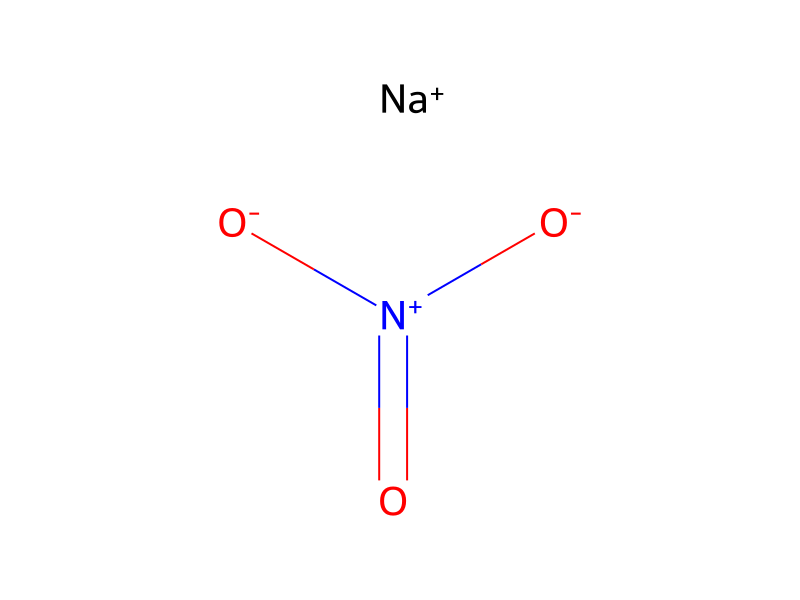
To a stirring solution of 3-aminonaphthol (5.41 g, 34 mmol) in 25 g of crushed ice, 30 mL of water and 10 mL of concentrated HCl at 10° C. was slowly added a solution of sodium nitrate (2.46 g, 36 mmol) in 10 mL water. A solution of potassium iodide (6.21 g, 37 mmol) in 20 mL water was slowly added with stirring at 10° C. The reaction mixture was stirred for 16 hours at room temperature, then diluted with diethyl ether and washed with water and 10% aqueous sodium sulfite solution. The organic layer was filtered through a Celite pad and the filtrate was concentrated under reduced pressure. The residue was chromatographed on silica (15% EtOAc/hexanes) to give 2.0 g of 3-iodo-naphthalen-2-ol.
Workup
- stirringThe reaction mixture was stirred for 16 hours at room temperature
- washwashed with water and 10% aqueous sodium sulfite solution
- filtrationThe organic layer was filtered through a Celite pad
- concentrationthe filtrate was concentrated under reduced pressure
- customThe residue was chromatographed on silica (15% EtOAc/hexanes)
Sources & evidence
- ORD record
- ord-24f2bd540e4247f6a113a15300e05b77
- Source dataset
- uspto-grants-2010_08
- Patent number
- US07776872B2
Reaction notes
Loading…