Cyclohexyl bromide → 2-Cyclohexylnaphthalene
Reaction equation

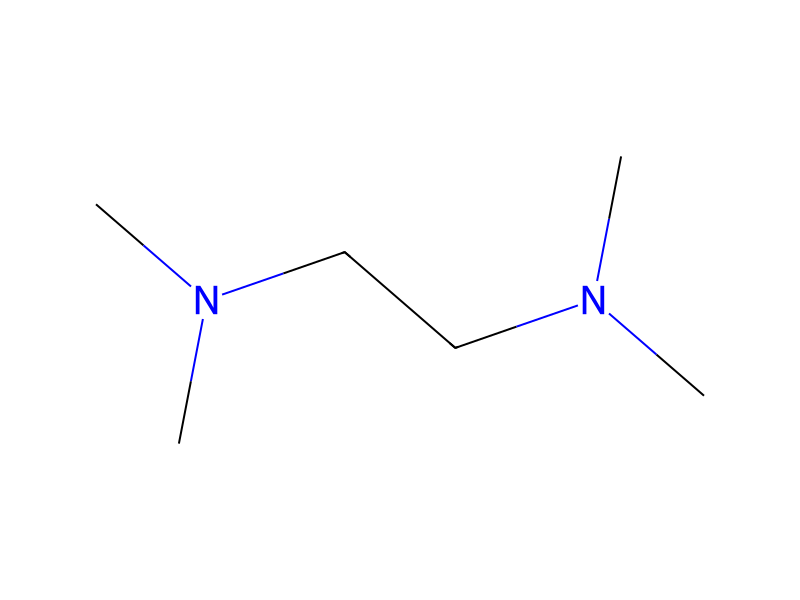
[CH:1]1[C:10]2[C:5](=[CH:6][CH:7]=[CH:8][CH:9]=2)[CH:4]=[CH:3][C:2]=1[Mg]Br.Br[CH:14]1[CH2:19][CH2:18][CH2:17][CH2:16][CH2:15]1.CN(CCN(C)C)C.[Cl-].[NH4+]>>[CH:14]1([C:2]2[CH:3]=[CH:4][C:5]3[C:10](=[CH:9][CH:8]=[CH:7][CH:6]=3)[CH:1]=2)[CH2:19][CH2:18][CH2:17][CH2:16][CH2:15]1Participants
5




Procedure
2-Naphthyl magnesium bromide (1.46 mL of 0.82 M-THF solution, 1.2 mmol) was added to a mixture of bromocyclohexane (163.1 mg, 1.0 mmol), FeCl3 (0.5 mL of 0.1 M-THF solution, 5 mol %) and TMEDA (181.1 μL, 1.2 mmol) at 25° C. over 20 minutes through an injection pump. After the addition of Grignard reagent mixture was completed, the reaction mixture was stirred for 10 minutes at this temperature. After treating with saturated aqueous ammonium chloride solution in a conventional manner, the reaction mixture was filtered through a pad of Florisil® and concentrated in vacuum. Using the internal standard (tetrachloroethane, 79 mg, 0.47 mmol), the crude product was analyzed by 1H NMR to give 2-cyclohexylnaphthalene in a yield of 96%.
Workup
- filtrationthe reaction mixture was filtered through a pad of Florisil®
- concentrationconcentrated in vacuum
Sources & evidence
- ORD record
- ord-60c0a9ce21d14832874c784c1706782a
- Source dataset
- uspto-grants-2010_08
- Patent number
- US07781599B2
Reaction notes
Loading…