Water → (5-Bromo-2-chloropyridin-3-yl)methanol
Reaction equation

[BH4-].[Na+].[Cl-].[Cl-].[Ca+2].[Br:6][C:7]1[CH:8]=[N:9][C:10]([Cl:17])=[C:11]([CH:16]=1)[C:12](OC)=[O:13].O>C(Cl)Cl>[Br:6][C:7]1[CH:16]=[C:11]([CH2:12][OH:13])[C:10]([Cl:17])=[N:9][CH:8]=1Participants
6





Procedure
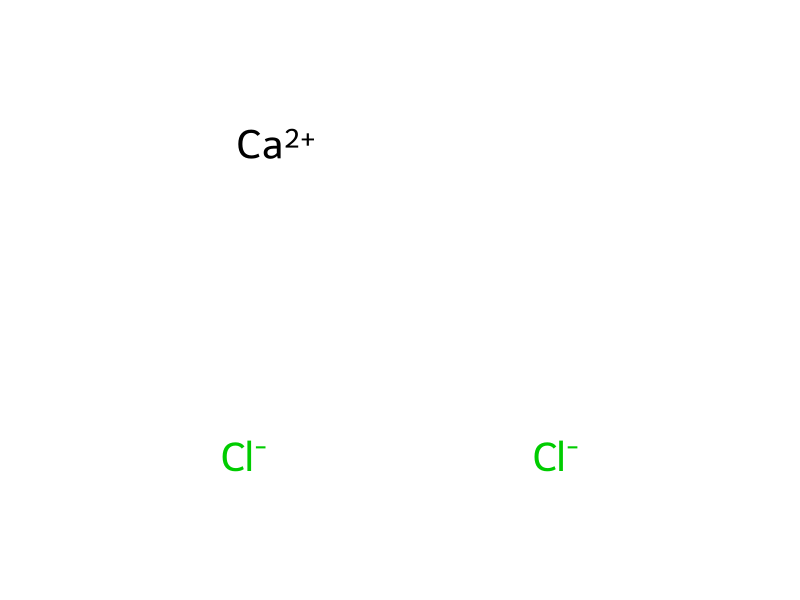
To a mixture of NaBH4 (5.8 g, 152.6 mmol, 4 eq) and anhydrous CaCl2 (16.9 g, 152.6 mmol) in dry DCM (100 mL) at 0° C., was added slowly methyl 5-bromo-2-chloronicotinate (9.5 g, 38.15 mmol). The resulting mixture was stirred at room temperature for 12 h. Water was added to the reaction mixture at 0° C. The organic layer was separated, dried over sodium sulfate, and concentrated in vacuo, to afford 6.8 g (crude) of (5-bromo-2-chloropyridin-3-yl)methanol, which was used in the next step without further purification. LCMS [M+H]+ 223.1.
Workup
- customThe organic layer was separated
- dry with materialdried over sodium sulfate
- concentrationconcentrated in vacuo
Sources & evidence
- ORD record
- ord-58a6e66ec3a34b90b451b05c0d071def
- Source dataset
- uspto-grants-2015_08
- Patent number
- US09108944B2
Reaction notes
Loading…