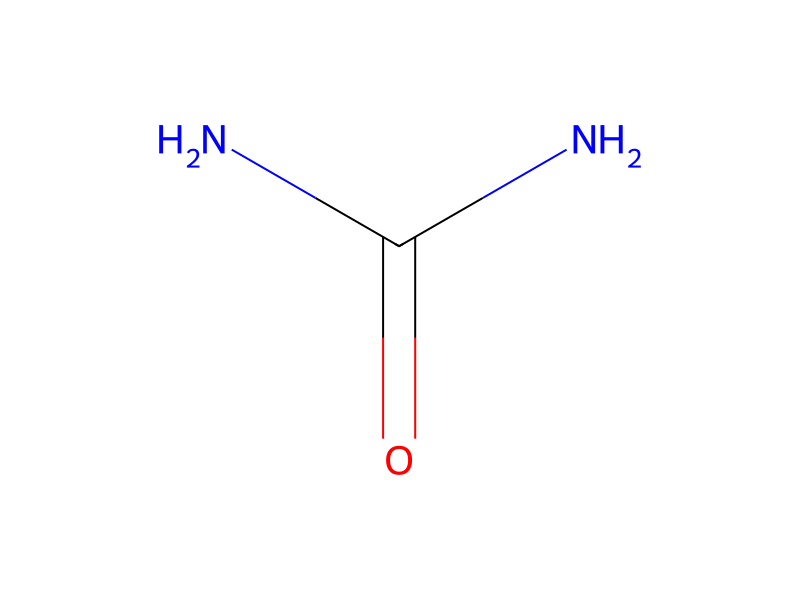
Urea → 7-Bromo-6-fluoroquinazoline-2,4(1H,3H)-dione
Reaction equation

[NH2:1][C:2]1[CH:10]=[C:9]([Br:11])[C:8]([F:12])=[CH:7][C:3]=1[C:4](O)=[O:5].[NH2:13][C:14](N)=[O:15]>O>[Br:11][C:9]1[CH:10]=[C:2]2[C:3]([C:4](=[O:5])[NH:13][C:14](=[O:15])[NH:1]2)=[CH:7][C:8]=1[F:12]Participants
4
Reactant 2

Product 1

Reagents, catalysts & solvents 1

Conditions
- Temperature
- 200 °C
Procedure
To a 100 mL round bottom flask, 2-amino-4-bromo-5-fluoro-benzoic acid (0.7 g, 0.003 mol) and urea (1.07 g, 0.0018 mol) were added. The reaction mixture was stirred at 200° C. for 2 h. The reaction mixture was allowed to reach 100° C. and water was added. The aqueous reaction mixture was refluxed for 5-10 min, cooled to room temperature, to get the precipitate. The solid was filtered and dried to afford the title compound (400 mg, 51%). This material was taken for next step without any further purification.
Workup
- customto reach 100° C.
- temperatureThe aqueous reaction mixture was refluxed for 5-10 min
- temperaturecooled to room temperature
- customto get the precipitate
- filtrationThe solid was filtered
- customdried
Sources & evidence
- ORD record
- ord-b8044833c565468ba0db99adbea3b263
- Source dataset
- uspto-grants-2015_08
- Patent number
- US09115092B2
Reaction notes
Loading…