Benzyl (3S)-3-(4-morpholinylmethyl)-3,4-dihydro-2(1H)-isoquinolinecarboxylate → (S)-4-((1,2,3,4-tetrahydroisoquinolin-3-yl)methyl)morpholine
Reaction equation

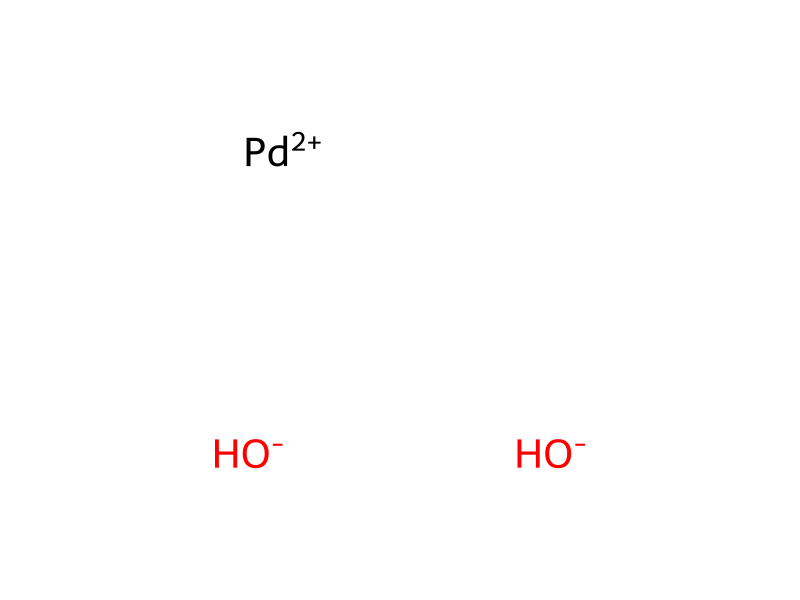
[N:1]1([CH2:7][C@@H:8]2[CH2:17][C:16]3[C:11](=[CH:12][CH:13]=[CH:14][CH:15]=3)[CH2:10][N:9]2C(OCC2C=CC=CC=2)=O)[CH2:6][CH2:5][O:4][CH2:3][CH2:2]1.[H][H]>C(O)C.[OH-].[OH-].[Pd+2]>[N:1]1([CH2:7][C@@H:8]2[CH2:17][C:16]3[C:11](=[CH:12][CH:13]=[CH:14][CH:15]=3)[CH2:10][NH:9]2)[CH2:6][CH2:5][O:4][CH2:3][CH2:2]1Participants
5
Reactant 2


Product 1

Reagents, catalysts & solvents 2

Procedure
To a solution of 4.9 g of the compound of Step B (13.4 mmol) in 67 mL of ethanol there is added 0.980 g of palladium dihydroxide (20% by weight) at ambient temperature. The reaction mixture is placed under 1.2 bars of hydrogen at ambient temperature for 4 hours. It is then passed through a Whatman filter and the palladium is then rinsed several times with ethanol. The filtrate is evaporated to dryness. The title product is obtained in the form of an oil.
Workup
- filtrationfilter
- washthe palladium is then rinsed several times with ethanol
- customThe filtrate is evaporated to dryness
Sources & evidence
- ORD record
- ord-cb1bc9de6dfc4b0c92bef3f47c495221
- Source dataset
- uspto-grants-2015_08
- Patent number
- US09115159B2
Reaction notes
Loading…