Water → 6-Bromo-4-hydroxy-3-phenoxyquinolin-2(1H)-one
Reaction equation

[Br:1][C:2]1[CH:3]=[CH:4][C:5]([NH:12][C:13](=[O:22])[CH2:14][O:15][C:16]2[CH:21]=[CH:20][CH:19]=[CH:18][CH:17]=2)=[C:6]([CH:11]=1)[C:7](OC)=[O:8].C[Si]([N-][Si](C)(C)C)(C)C.[K+].O>O1CCCC1>[Br:1][C:2]1[CH:11]=[C:6]2[C:5](=[CH:4][CH:3]=1)[NH:12][C:13](=[O:22])[C:14]([O:15][C:16]1[CH:21]=[CH:20][CH:19]=[CH:18][CH:17]=1)=[C:7]2[OH:8]Participants
5




Conditions
- Temperature
- 0 °C
Procedure
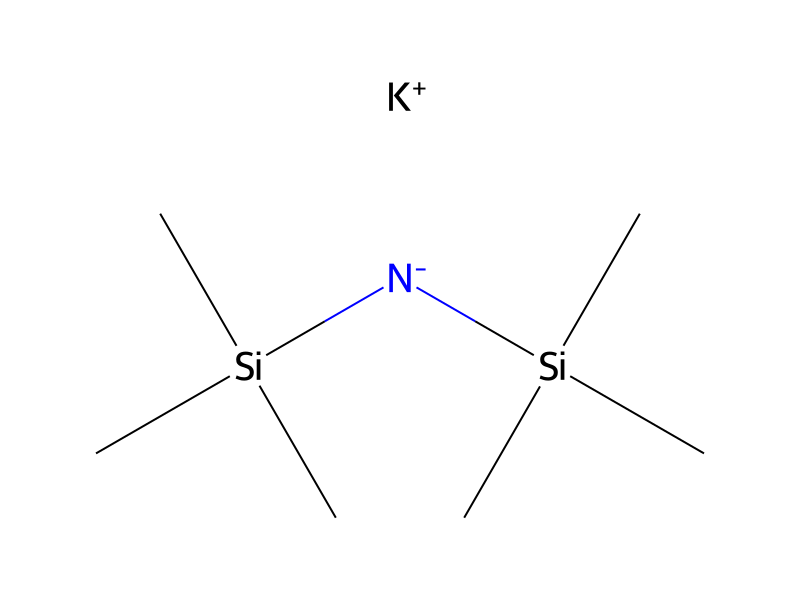
To a solution of methyl 5-bromo-2-(2-phenoxyacetamido)benzoate (7.28 g, 20.0 mmol, Intermediate 5: step a) in tetrahydrofuran (215 mL) at −78° C. was added potassium bis(trimethylsilyl)amide (0.5 M solution in toluene, 118.7 mL, 59.37 mmol) over 7 minutes. The mixture was stirred at −78° C. for 5 minutes and 0° C. for 1.5 hours. The resulting cold solution was quenched with water. The white solid formed was completely dissolved by addition of excess water. The aqueous phase was washed once with EtOAc and then acidified by slow addition of 2 N aqueous HCl solution (kept pH above 2). The off-white precipitate formed was filtered and dried in the air overnight and at 40° C. for 1 hour to provide the title compound.
Workup
- customThe resulting cold solution was quenched with water
- customThe white solid formed
- washThe aqueous phase was washed once with EtOAc
- additionacidified by slow addition of 2 N aqueous HCl solution (kept pH above 2)
- customThe off-white precipitate formed
- filtrationwas filtered
- customdried in the air overnight and at 40° C. for 1 hour
Sources & evidence
- ORD record
- ord-c8032877c4bc4c1995aa4c6690107a70
- Source dataset
- uspto-grants-2016_05
- Patent number
- US09328095B2
Reaction notes
Loading…