Sodium Sulfate → 2-Bromo-6-(difluoromethoxy)pyridine
Reaction equation

[Br:1][C:2]1[CH:7]=[CH:6][CH:5]=[C:4]([OH:8])[N:3]=1.S([O-])([O-])(=O)=O.[Na+].[Na+].[F:16][C:17]([F:25])(S(F)(=O)=O)C(O)=O.C([O-])(O)=O.[Na+]>C(#N)C>[Br:1][C:2]1[CH:7]=[CH:6][CH:5]=[C:4]([O:8][CH:17]([F:25])[F:16])[N:3]=1Participants
6




Procedure
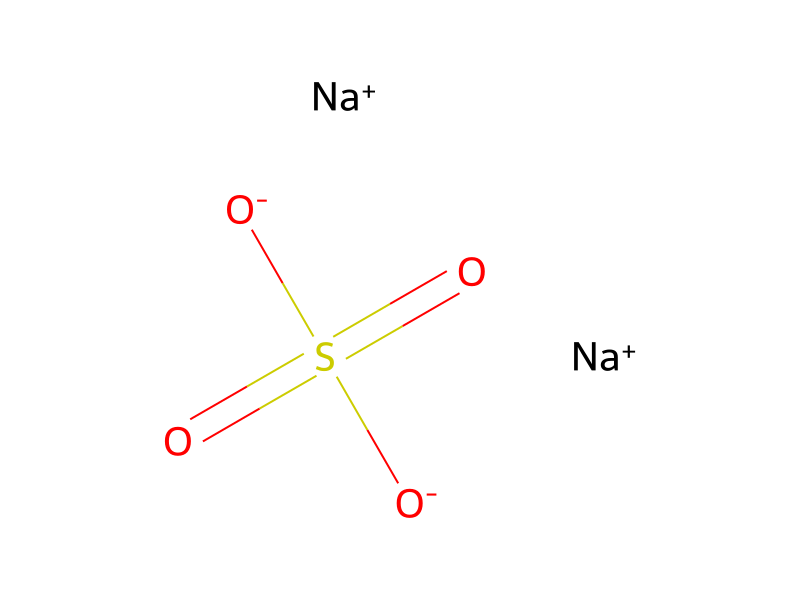
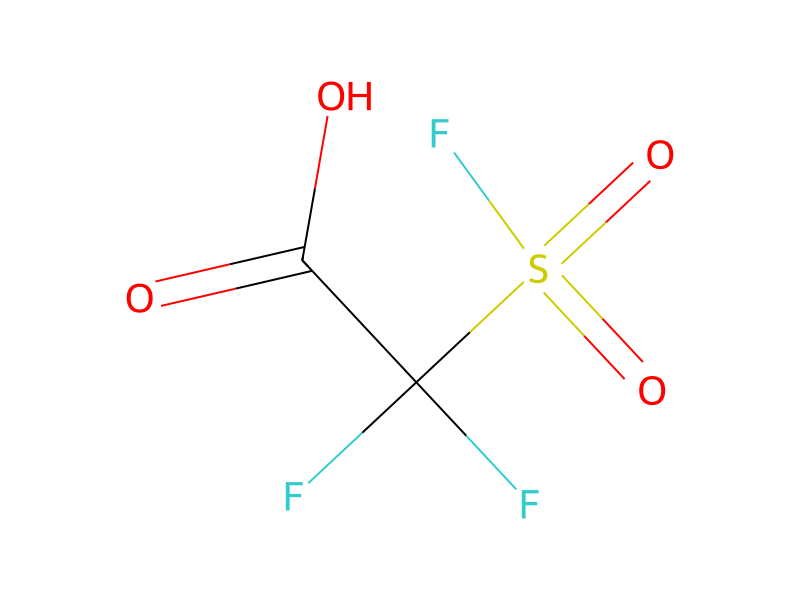
To a solution of 2-bromo-6-hydroxypyridine (535 mg, 3.07 mmol) in anhydrous acetonitrile (10 mL) was added sodium sulphate (44 mg, 0.31 mmol) and a solution of 2,2-difluoro-2-(fluorosulfonyl)acetic acid (0.35 mL, 3.38 mmol) in acetonitrile (2 mL). The reaction was stirred at room temperature for 18 hours. Saturated aqueous NaHCO3 solution (10 mL) was added and the solution was concentrated in vacuo. The residue was dissolved in diethyl ether (30 mL), washed with water (20 mL), brine (20 mL), saturated aqueous NaHCO3 solution (20 mL), dried over MgSO4 and concentrated in vacuo. The residue was purified using silica gel column chromatography eluting with 70-100% DCM in heptanes to afford the title compound (347 mg, 50%).
Workup
- concentrationthe solution was concentrated in vacuo
- dissolutionThe residue was dissolved in diethyl ether (30 mL)
- washwashed with water (20 mL), brine (20 mL), saturated aqueous NaHCO3 solution (20 mL)
- dry with materialdried over MgSO4
- concentrationconcentrated in vacuo
- customThe residue was purified
- washeluting with 70-100% DCM in heptanes
Sources & evidence
- ORD record
- ord-89a752bbdaf94744b25e9b7f9c72579c
- Source dataset
- uspto-grants-2016_05
- Patent number
- US09328096B2
Reaction notes
Loading…