2,6-Dichloropyrazine → HCID 58526536, compound
Reaction equation

[Cl:1][C:2]1[CH:7]=[N:6][CH:5]=[C:4]([Cl:8])[N:3]=1.[Li+].[Cl-].Br[CH2:12][C:13](=[CH2:19])[C:14]([O:16][CH2:17][CH3:18])=[O:15].C([Cu])#N>C1COCC1>[Cl:1][C:2]1[C:7]([CH2:19][C:13](=[CH2:12])[C:14]([O:16][CH2:17][CH3:18])=[O:15])=[N:6][CH:5]=[C:4]([Cl:8])[N:3]=1Participants



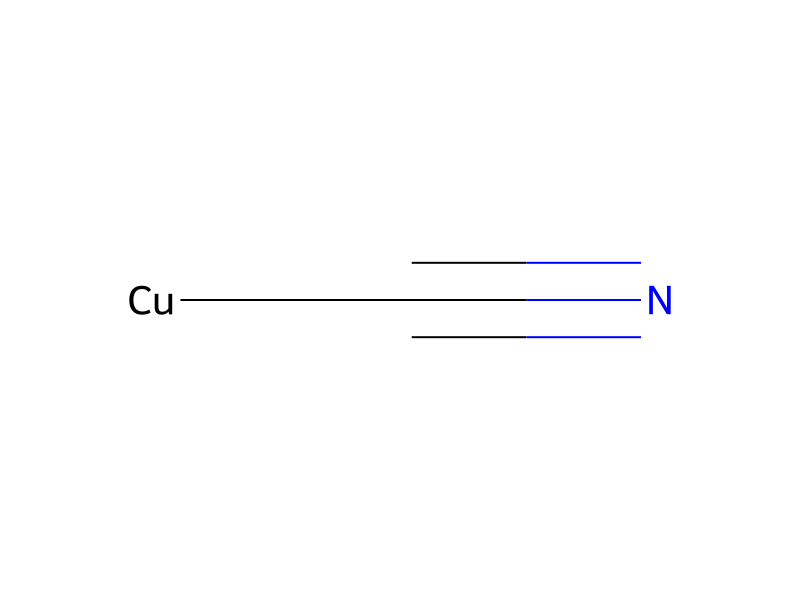


Conditions
- Temperature
- -50 °C
Procedure
2,6-Dichloropyrazine (9) (149 mg, 1.0 mmol) in THF (2 mL) was added to a solution of TMPZnCl.LiCl (2) (1.3 M in THF, 0.85 mL, 1.1 mmol) at 25° C. and the reaction mixture was then stirred at this temperature for 30 min according to TP 2. After cooling down to −50° C., ethyl 2-(bromomethyl)acrylate (230 mg, 1.2 mmol) and CuCN.2LiCl (1.0 M solution in THF, 5 drops) were added and the resulting mixture was allowed to warm up slowly to −20° C. The reaction mixture was quenched with a sat. aq. NH4Cl solution (20 mL), extracted with diethyl ether (3×50 mL) and dried over anhydrous Na2SO4. After filtration, the solvent was evaporated in vacuo. Purification by flash-chromatography (CH2Cl2/n-pentane, 1:3) furnished compound 11c (187 mg, 72%) as a colourless oil.
Workup
- temperatureto warm up slowly to −20° C
- customThe reaction mixture was quenched with a sat. aq. NH4Cl solution (20 mL)
- extractionextracted with diethyl ether (3×50 mL)
- dry with materialdried over anhydrous Na2SO4
- filtrationAfter filtration
- customthe solvent was evaporated in vacuo
- customPurification by flash-chromatography (CH2Cl2/n-pentane, 1:3)
Sources & evidence
- ORD record
- ord-ec4a8d769f75433384d78deb52ec6f7d
- Source dataset
- uspto-grants-2016_05
- Patent number
- US09334237B2
Reaction notes
Loading…