Methanol → (2R,3S)-benzyl 4-benzyl-2-methylmorpholine-3-carboxylate
Reaction equation

[CH2:1]([N:8]1[C:13](=O)[CH2:12][O:11][C@H:10]([CH3:15])[C@H:9]1[C:16]([O:18][CH2:19][C:20]1[CH:25]=[CH:24][CH:23]=[CH:22][CH:21]=1)=[O:17])[C:2]1[CH:7]=[CH:6][CH:5]=[CH:4][CH:3]=1.B.CO.O>C1COCC1>[CH2:1]([N:8]1[CH2:13][CH2:12][O:11][C@H:10]([CH3:15])[C@H:9]1[C:16]([O:18][CH2:19][C:20]1[CH:25]=[CH:24][CH:23]=[CH:22][CH:21]=1)=[O:17])[C:2]1[CH:3]=[CH:4][CH:5]=[CH:6][CH:7]=1Participants


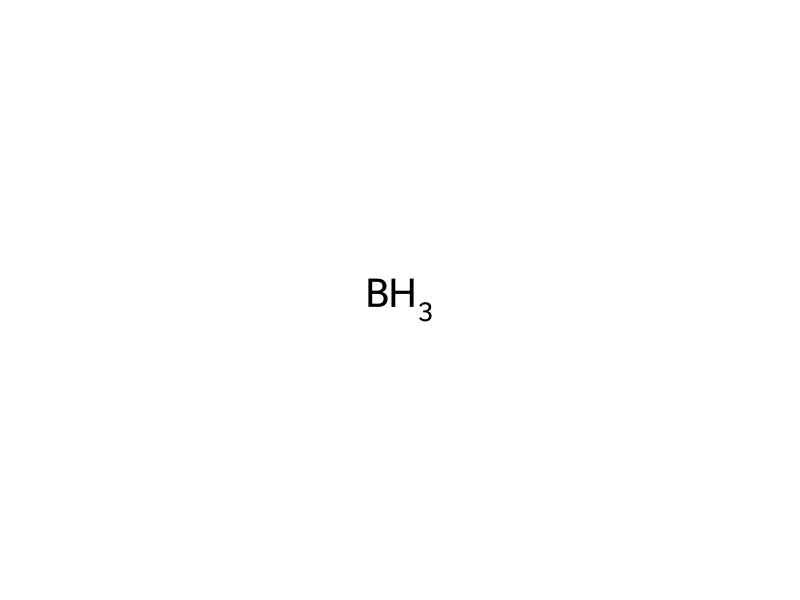



Conditions
- Temperature
- 25 °C
Procedure
To a solution of (2R,3S)-benzyl 4-benzyl-2-methyl-5-oxomorpholine-3-carboxylate (15.7 g, 46.1 mmol) in THF (60 mL) was added a solution of borane in THF (1 mol/L, 69.2 mL) dropwise over a period of 1 hour at −10° C. under N2. After the end of addition, the mixture was warmed to 25° C. and stirred for 16 hours, then cooled to −10° C. And to the mixture was added methanol slowly until gas evolution was ceased, then added water (10 mL). The mixture was concentrated in vacuo and the residue was dissolved in EtOAc (150 mL). The organic layer was washed with aqueous NaOH solution (2 mol/L, 50 mL×2) and brine (50 mL×2). The organic phase was concentrated in vacuo to give the title compound as colorless oil (13 g, 86.7%). The compound was characterized by the following spectroscopic data:
Workup
- additionAfter the end of addition
- temperaturecooled to −10° C
- concentrationThe mixture was concentrated in vacuo
- dissolutionthe residue was dissolved in EtOAc (150 mL)
- washThe organic layer was washed with aqueous NaOH solution (2 mol/L, 50 mL×2) and brine (50 mL×2)
- concentrationThe organic phase was concentrated in vacuo
Sources & evidence
- ORD record
- ord-39edd39ef95b4124a0cc5404b5d38a95
- Source dataset
- uspto-grants-2016_05
- Patent number
- US09340538B2
Reaction notes
Loading…