Sodium Hydroxide → (2-(1-methyl-1H-indazol-3-yl)cyclopropyl)methanol
Reaction equation

[CH3:1][N:2]1[C:10]2[C:5](=[CH:6][CH:7]=[CH:8][CH:9]=2)[C:4]([CH:11]2[CH2:13][CH:12]2[C:14](OCC)=[O:15])=[N:3]1.[H-].[H-].[H-].[H-].[Li+].[Al+3].[OH-].[Na+].S([O-])([O-])(=O)=O.[Na+].[Na+]>C1COCC1.O>[CH3:1][N:2]1[C:10]2[C:5](=[CH:6][CH:7]=[CH:8][CH:9]=2)[C:4]([CH:11]2[CH2:13][CH:12]2[CH2:14][OH:15])=[N:3]1Participants

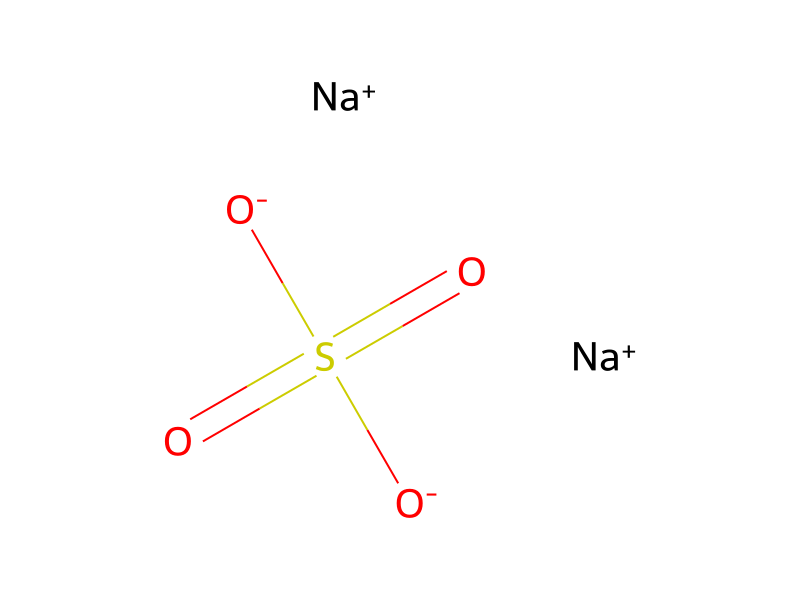





Procedure
A solution of ethyl 2-(1-methyl-1H-indazol-3-yl)cyclopropanecarboxylate (1.17 g, 5 mmol) in THF (20 mL) was cooled to 0° C. and treated slowly with LAH (270 mg, 7 mmol). The solution was warmed to room temperature and stirred overnight. The reaction mixture was then re-cooled to 0° C. and treated sequentially with 0.3 mL of water, 0.3 mL of 15% NaOH, and 0.9 mL of water. Sodium sulfate was added to the mixture. After stirring at room temperature for 10 min, the mixture was filtered through a pad of Celite and the filtrate was concentrated in vacuo to afford the title compound as pale yellow oil. LRMS m/z (M+H) 204.1 found, 204.1 required. Enantiomers can be resolved by chiral analytical SFC ((R,R)-Whelk-O14.6*250 mm 5 um) ent1=4.37 min (1S,2S) (active isomer, 360 mg), ent2=5.33 min.
Workup
- temperatureThe reaction mixture was then re-cooled to 0° C.
- stirringAfter stirring at room temperature for 10 min
- filtrationthe mixture was filtered through a pad of Celite
- concentrationthe filtrate was concentrated in vacuo
Sources & evidence
- ORD record
- ord-627aa6add2934e269671b2b7a0df046f
- Source dataset
- uspto-grants-2016_05
- Patent number
- US09353104B2
Reaction notes
Loading…