HCID 68106186, compound → Propylene
Reaction equation

[CH2:1](OC([N:11]1[CH2:22][CH2:21][N:20]2[CH2:23][CH2:24][CH2:25][N:14]([CH2:15][CH2:16][N:17](C(OCC3C=CC=CC=3)=O)[CH2:18][CH2:19]2)[CH2:13][CH2:12]1)=O)[C:2]1C=CC=C[CH:3]=1>CCO>[CH2:1]=[CH:2][CH3:3].[N:14]12[CH2:25][CH2:24][CH2:23][N:20]([CH2:21][CH2:22][NH:11][CH2:12][CH2:13]1)[CH2:19][CH2:18][NH:17][CH2:16][CH2:15]2Participants
Reactant 1

Product 2
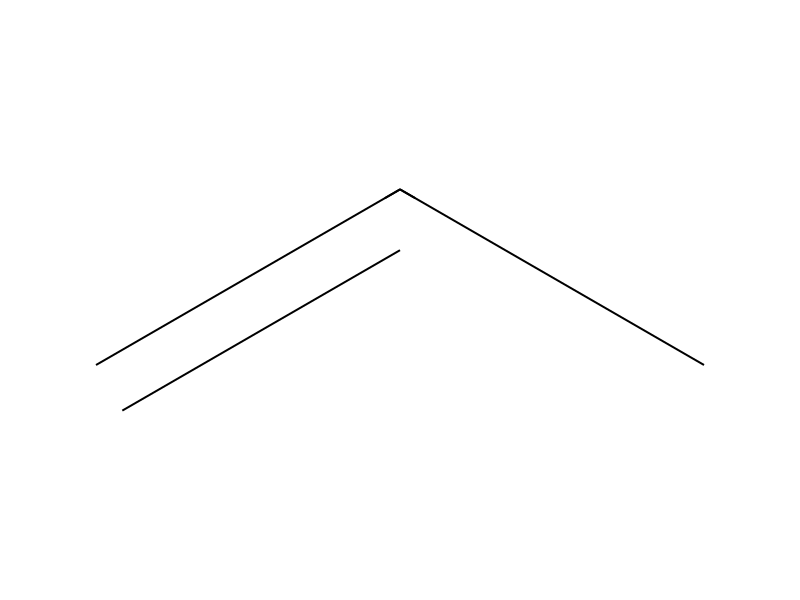

Reagents, catalysts & solvents 1

Procedure
The synthetic intermediate 3 was deprotected by catalytic hydrogenation in EtOH solvent to give propylene cross-bridged cyclen 4. The precursor, propylene cross-bridged cyclen (1,4,7,10-tetraazabicyclo[5.5.3]pentadecane) with bis(t-butyl ester) pendant arms, being dialkylated with t-butyl bromoacetate and convenient to handle, was produced with high yield (85%) enough to be quantitated. The synthetic intermediate 5 was deprotected with trifluoroacetic acid in dichloromethane to give PCB-DO2A 6 as a bis(trifluoroacetic acid) salt. This synthesis procedure of PCB-DO2A according to an embodiment of the present disclosure is remarkably improved over the existing cross-bridged cyclen synthesis method in terms of overall yield (57%), simple procedure, selectivity, or the like.
Sources & evidence
- ORD record
- ord-6547cc10394d4cbdbfdf4e67507730eb
- Source dataset
- uspto-grants-2016_05
- Patent number
- US09353120B2
Reaction notes
Loading…