Phosphorus oxybromide → Methyl 4-bromo-3-chloroquinoline-6-carboxylate
Reaction equation

[Cl:1][C:2]1[CH:3]=[N:4][C:5]2[C:10]([C:11]=1O)=[CH:9][C:8]([C:13]([O:15][CH3:16])=[O:14])=[CH:7][CH:6]=2.P(Br)(Br)([Br:19])=O>>[Br:19][C:11]1[C:10]2[C:5](=[CH:6][CH:7]=[C:8]([C:13]([O:15][CH3:16])=[O:14])[CH:9]=2)[N:4]=[CH:3][C:2]=1[Cl:1]Participants
3
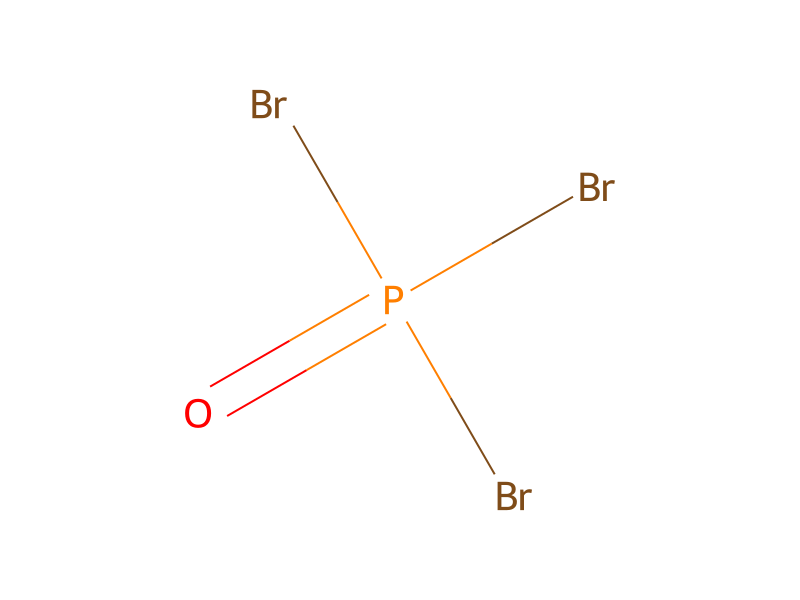


Conditions
- Temperature
- 130 °C
Procedure
A mixture of methyl 3-chloro-4-hydroxyquinoline-6-carboxylate (600 mg) and phosphoryl bromide (868 mg) was heated under stirring in an oil bath at 130° C. for 6 hours. Ice-water was added, followed by neutralization with saturated aqueous sodium bicarbonate and extraction with ethyl acetate. The organic layer was washed with water, dried, and concentrated under reduced pressure to obtain methyl 4-bromo-3-chloroquinoline-6-carboxylate (426 mg).
Workup
- temperaturewas heated
- extractionfollowed by neutralization with saturated aqueous sodium bicarbonate and extraction with ethyl acetate
- washThe organic layer was washed with water
- customdried
- concentrationconcentrated under reduced pressure
Sources & evidence
- ORD record
- ord-667da52522404e4a9fded3d4372f430a
- Source dataset
- uspto-grants-2014_10
- Patent number
- US08853242B2
Reaction notes
Loading…