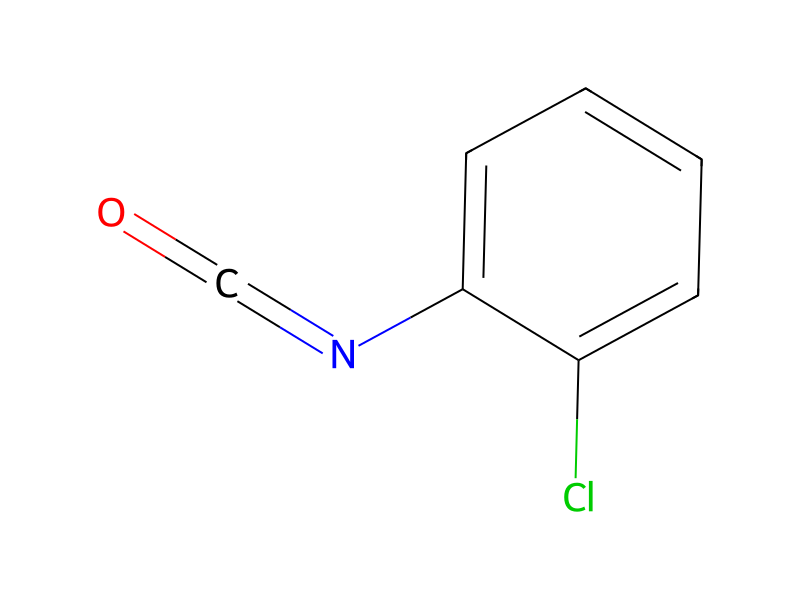
Chlorophenyl isocyanate → HCID 46843515, compound
Reaction equation

[Cl:1][C:2]1[CH:14]=[N:13][C:5]2[NH:6][C:7]3[CH2:12][CH2:11][NH:10][CH2:9][C:8]=3[C:4]=2[CH:3]=1.CCN(C(C)C)C(C)C.[Cl:24][C:25]1[CH:30]=[CH:29][CH:28]=[CH:27][C:26]=1[N:31]=[C:32]=[O:33].Cl.CCOCC>C(Cl)Cl.CCOCC>[ClH:1].[Cl:24][C:25]1[CH:30]=[CH:29][CH:28]=[CH:27][C:26]=1[NH:31][C:32]([N:10]1[CH2:11][CH2:12][C:7]2[NH:6][C:5]3[N:13]=[CH:14][C:2]([Cl:1])=[CH:3][C:4]=3[C:8]=2[CH2:9]1)=[O:33]Participants
7





Procedure
3-Chloro-6,7,8,9-tetrahydro-5H-dipyrido[2,3-b;3′,4′-d]pyrrole (50 mg, 0.24 mmol), and DIEA (0.04 mL, 0.24 mmol) were dissolved in DCM (2 mL). 2-Chlorophenyl isocyanate (0.03 mL, 0.26 mmol) was added dropwise, and the reaction solution was stirred overnight at room temperature. The crude reaction mixture was concentrated, and converted to the HCl salt by dissolving the crude material in MeOH (2 ml) and adding 1 M HCl/ether (2 equiv). The resulting solution was refrigerated overnight. Additional ether was added to drive precipitate formation. The resulting precipitate was filtered and dried under vacuum to provide 42 (52 mg, 55% yield). LC-MS (M+H=361, obsd.=361).
Workup
- customThe crude reaction mixture
- concentrationwas concentrated
- dissolutionby dissolving the crude material in MeOH (2 ml)
- waitThe resulting solution was refrigerated overnight
- filtrationThe resulting precipitate was filtered
- customdried under vacuum
Sources & evidence
- ORD record
- ord-5b6826b9860a4ad8ad9a23378e19a409
- Source dataset
- uspto-grants-2014_10
- Patent number
- US08853391B2
Reaction notes
Loading…