Ammonium Hydroxide → HCID 86668045, compound
Reaction equation

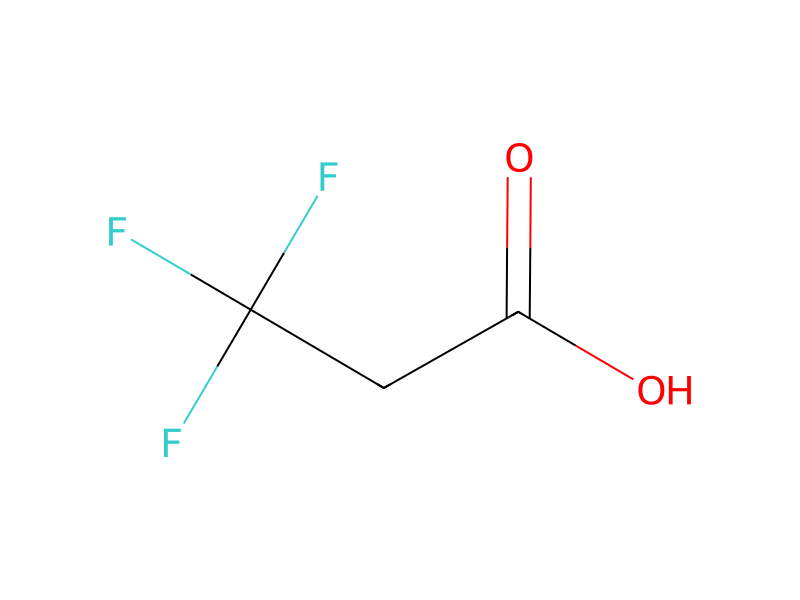
[Br:1][C:2]1[CH:7]=[C:6]([C:8]2([NH:16][C:17](=[O:20])[CH2:18][Cl:19])[CH2:13][O:12]C(C)(C)[O:10][CH2:9]2)[CH:5]=[CH:4][N:3]=1.FC(CC(O)=O)(F)F.[NH4+].[OH-]>C(Cl)Cl>[Br:1][C:2]1[CH:7]=[C:6]([C:8]([NH:16][C:17](=[O:20])[CH2:18][Cl:19])([CH2:13][OH:12])[CH2:9][OH:10])[CH:5]=[CH:4][N:3]=1Participants
Reactant 3


Product 1

Reagents, catalysts & solvents 1

Procedure
A solution of N-[5-(2-bromo-pyridin-4-yl)-2,2-dimethyl-[1,3]dioxan-5-yl]-2-chloro-acetamide (10.0 g, 27.6 mmol) in DCM (150 ml) was cooled to 0° C. for 10 min. and trifluoromethyl acetic acid (15.0 ml) was added. Stirring continued for 2 h and the resultant contents were concentrated under reduced pressure. The residue formed was basified with aq. NH4OH solution and the product was extracted with ethyl acetate (3×200 ml) by washing organic layer with brine (5.0 ml) and dried over anhy. Na2SO4. Organic layer was concentrated under reduced pressure to obtain title compound as a brown liquid which was carried to next step without any purification. Yield=8.1 g (91%). TLC (70% ethyl acetate in hexane) Rf=0.15; LCMS: RtH8=0.12 [M+1]+=322.9 and 324.9; HPLC RtH9=5.266 min (61%), 5.104 (25%).
Workup
- concentrationthe resultant contents were concentrated under reduced pressure
- customThe residue formed
- extractionthe product was extracted with ethyl acetate (3×200 ml)
- washby washing organic layer with brine (5.0 ml)
- customdried over anhy
- concentrationOrganic layer was concentrated under reduced pressure
Sources & evidence
- ORD record
- ord-f76bd29b91a6439d821d263165c3d94d
- Source dataset
- uspto-grants-2014_10
- Patent number
- US08865712B2
Reaction notes
Loading…