Potassium Carbonate → Ethyl 2-[4-(cyanomethoxy)phenyl]-2-ethoxycarbonylacetate
Reaction equation

[CH2:1]([O:3][C:4]([CH:6]([C:12]1[CH:17]=[CH:16][C:15]([OH:18])=[CH:14][CH:13]=1)[C:7]([O:9][CH2:10][CH3:11])=[O:8])=[O:5])[CH3:2].Br[CH2:20][C:21]#[N:22].C(=O)([O-])[O-].[K+].[K+]>CC(C)=O>[C:21]([CH2:20][O:18][C:15]1[CH:14]=[CH:13][C:12]([CH:6]([C:7]([O:9][CH2:10][CH3:11])=[O:8])[C:4]([O:3][CH2:1][CH3:2])=[O:5])=[CH:17][CH:16]=1)#[N:22]Participants
5
Reactant 3

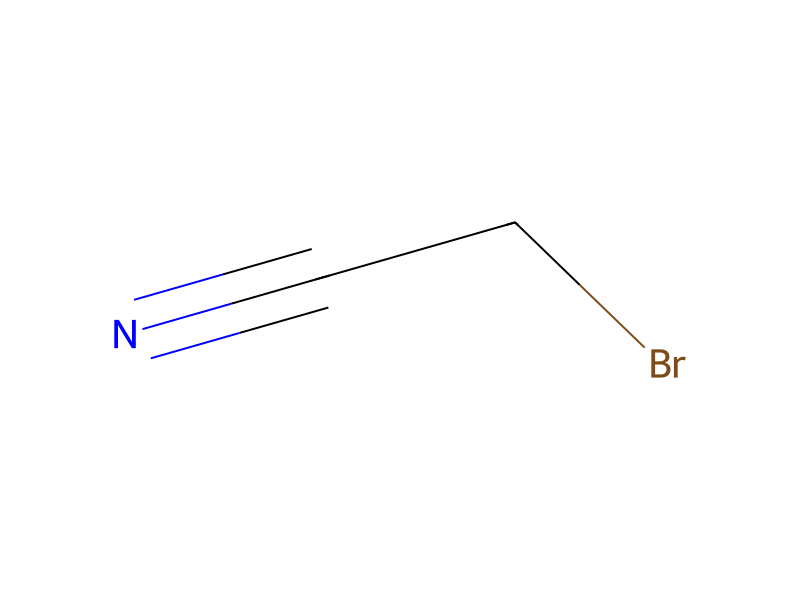

Product 1

Reagents, catalysts & solvents 1

Procedure
To 150 ml of acetone were added 14.58 g of ethyl 2-ethoxycarbonyl-2-(4-hydroxyphenyl)acetate, 8.8 g of bromoacetonitrile and 9.6 g of anhydrous potassium carbonate. After refluxing under heating for 5 hours, insoluble materials were removed by filtration, and the resulting filtrate was concentrated to dryness. The residue thus obtained was purified by silica gel column chromatography using toluene as an elution solvent, thereby obtaining 14.2 g of ethyl 2-[4-(cyanomethoxy)phenyl]-2-ethoxycarbonylacetate in the form of colorless oil.
Workup
- temperatureAfter refluxing
- temperatureunder heating for 5 hours
- custominsoluble materials were removed by filtration
- concentrationthe resulting filtrate was concentrated to dryness
- customThe residue thus obtained
- customwas purified by silica gel column chromatography
Sources & evidence
- ORD record
- ord-92e292c17b7041b783fe9f1f201a5d15
- Source dataset
- uspto-grants-1997_04
- Patent number
- US05620991
Reaction notes
Loading…