Hydrochloric Acid → HCID 70072890, compound
Reaction equation

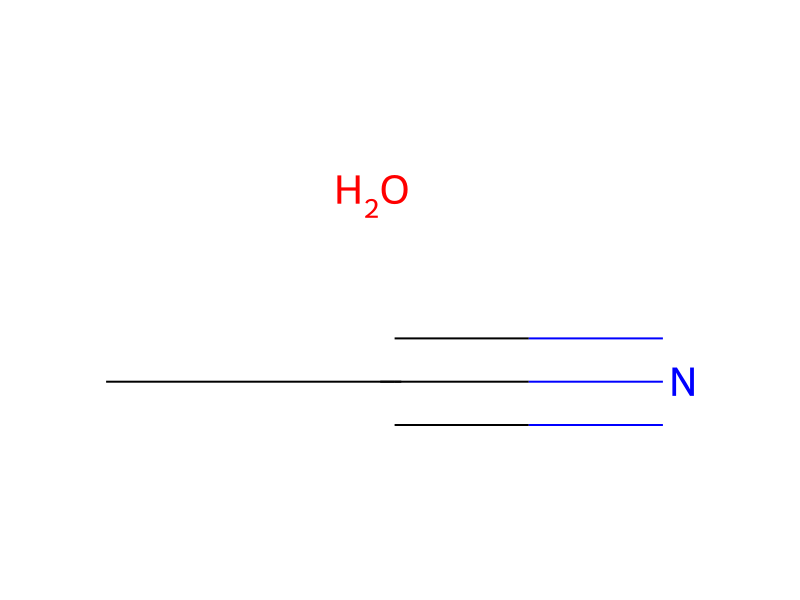
[ClH:1].Cl.[C:3]([C:6]1[CH:14]=[C:13]2[C:9]([CH:10]=[C:11]([CH2:15][CH:16]([C:21]3[CH:26]=[CH:25][C:24]([O:27][C@H:28]4[CH2:32][CH2:31][NH:30][CH2:29]4)=[CH:23][CH:22]=3)[C:17]([O:19]C)=[O:18])[NH:12]2)=[CH:8][CH:7]=1)(=[NH:5])[NH2:4].Cl>O.C(#N)C>[ClH:1].[ClH:1].[C:3]([C:6]1[CH:14]=[C:13]2[C:9]([CH:10]=[C:11]([CH2:15][CH:16]([C:21]3[CH:22]=[CH:23][C:24]([O:27][C@H:28]4[CH2:32][CH2:31][NH:30][CH2:29]4)=[CH:25][CH:26]=3)[C:17]([OH:19])=[O:18])[NH:12]2)=[CH:8][CH:7]=1)(=[NH:4])[NH2:5]Participants
Reactant 2


Product 1

Reagents, catalysts & solvents 1
Procedure
1.8 g of methyl (+)-3-(6-amidino-2-indolyl)-2-[4-[((3S)-3-pyrrolidinyl)oxy]phenyl]propionate dihydrochloride was dissolved in. 60 ml of concentrated hydrochloric acid, and the solution was stirred at 5° C. for 7 days. After concentrating the resulting reaction solution to dryness under a reduced pressure at a temperature of 50° C. or below, the thus obtained residue was subjected to reversed phase high performance liquid chromatography using a column packed with octadecyl-bonded silica gel and using a water/acetonitrile mixture as an elution solvent. Thereafter, thus eluted fractions of interest were pooled, mixed with dilute hydrochloric acid, and then concentrated to dryness. In this way, 1.3 g of the title compound was obtained in a solid form.
Workup
- concentrationAfter concentrating
- customthe resulting reaction solution to dryness under a reduced pressure at a temperature of 50° C. or below
- concentrationconcentrated to dryness
Sources & evidence
- ORD record
- ord-9e82e2b324c148e8ab959a1bcb06ddb8
- Source dataset
- uspto-grants-1997_04
- Patent number
- US05620991
Reaction notes
Loading…