Sodium Azide → 7-Bromo-1,2,4,5-tetrahydro-3H-2-benzazepin-3-one
Reaction equation

[Br:1][C:2]1[CH:3]=[C:4]2[C:9](=[CH:10][CH:11]=1)[CH2:8][C:7](=[O:12])[CH2:6][CH2:5]2.[N-:13]=[N+]=[N-].[Na+].FC(F)(F)S(O)(=O)=O>C1(C)C=CC=CC=1>[Br:1][C:2]1[CH:11]=[CH:10][C:9]2[CH2:8][NH:13][C:7](=[O:12])[CH2:6][CH2:5][C:4]=2[CH:3]=1Participants
Reactant 3

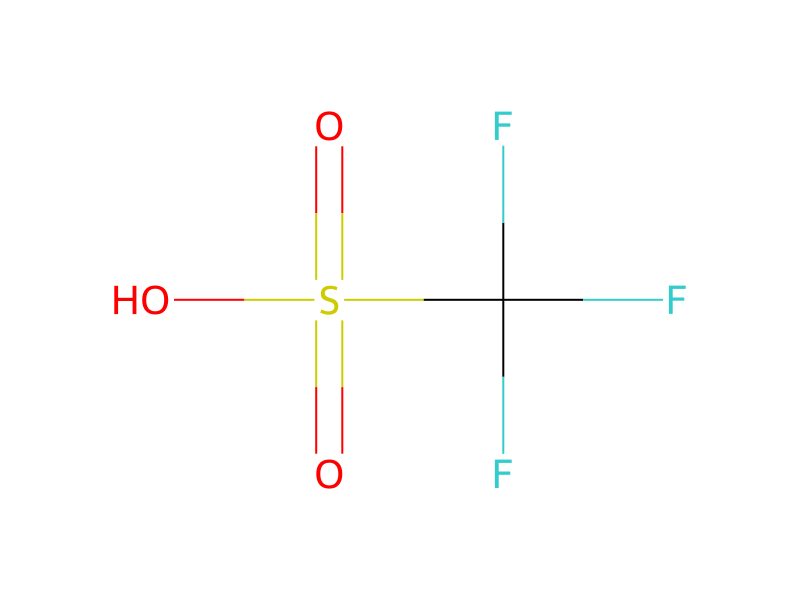

Product 1

Reagents, catalysts & solvents 1

Procedure
To a cooled solution of 6-bromo-3,4-dihydro-1H-naphthalen-2-one (100 g, 0.44 mol) in toluene was added sodium azide (150 g, 2.2 mol) followed by addition of trifluoromethanesulfonic acid (200 mL) dropwise. When the addition was completed, the ice bath was removed and the mixture was stirred at room temperature overnight. The reaction was poured into ice-water, basified with potassium carbonate to pH >10 slowly, and then extracted with dichloromethane (1000 mL×3). The organic layers were combined and dried over sodium sulfate, and then concentrated under reduced pressure to give a residue which was separated by column chromatography on silica gel to give 35 g of crude product. It was used for next step without further purification. MS obsd. (ESI+) [(M+H)+] 240.
Workup
- additionWhen the addition
- customthe ice bath was removed
- additionThe reaction was poured into ice-water
- extractionextracted with dichloromethane (1000 mL×3)
- dry with materialdried over sodium sulfate
- concentrationconcentrated under reduced pressure
- customto give a residue which
- customwas separated by column chromatography on silica gel
Sources & evidence
- ORD record
- ord-a7acba0ccef74bbb9703bb025875f3e1
- Source dataset
- uspto-grants-2014_10
- Patent number
- US08871756B2
Reaction notes
Loading…