Benzenebutanol → 2-Oxido-2-azoniatricyclo[3.3.1.03,7]nonane
Reaction equation

C1(CCCC[OH:11])C=CC=CC=1.CC1(C)N([O])C(C)(C)CCC1.[CH2:23]1[CH2:30][CH:29]2[N:31]([O])[CH:25]([CH2:26][CH2:27][CH2:28]2)[CH2:24]1>>[CH2:23]1[CH:30]2[CH:29]3[NH+:31]([O-:11])[CH:25]([CH2:24]2)[CH2:26][CH:27]1[CH2:28]3Participants
4



Procedure
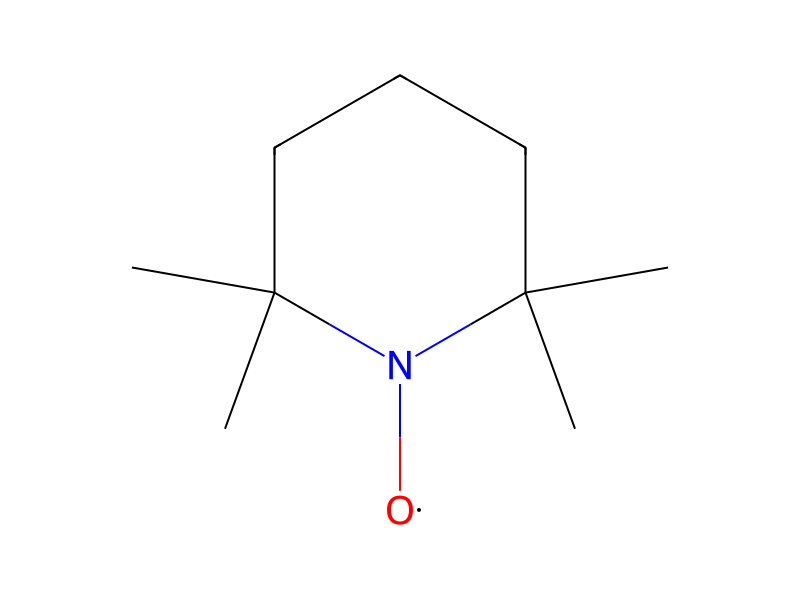
In the oxidation of 4-phenylbutanol (entry 1), which is a primary alcohol, when the catalyst amount was 1 mol %, all the catalyst compounds gave the objective substance in a high yield, but when the catalyst amount was reduced, marked differences was observed in the catalytic activity. Specifically, in the case of using TEMPO, when the catalyst amount was reduced to 0.01 mol %, marked decrease of the yield was observed, and in the case of ABNO, when the catalyst amount was reduced to 0.003 mol %, the yield decreased to about 60%. In contrast, Nor-AZADO gave the objective substance in a high yield even when the catalyst amount was reduced to 0.003 mol %.
Workup
- customgave the objective substance in a high yield, but when the catalyst amount
Sources & evidence
- ORD record
- ord-7a5bb7433153467b9099e83633556339
- Source dataset
- uspto-grants-2014_10
- Patent number
- US08871981B2
Reaction notes
Loading…