Dichloromethane → HCID 611809, compound
Reaction equation

Cl[CH2:2][Cl:3].Cl[C:5]1[CH:12]=[CH:11][C:8]([CH:9]=O)=[CH:7][CH:6]=1.[OH-].[Na+]>[Cl-].C([P+](C1C=CC=CC=1)(C1C=CC=CC=1)C1C=CC=CC=1)C1C=CC=CC=1.O>[Cl:3][C:2]1[CH:11]=[CH:12][CH:5]=[CH:6][C:7]=1[CH:8]=[CH:9][C:8]1[CH:11]=[CH:12][CH:5]=[CH:6][CH:7]=1Participants
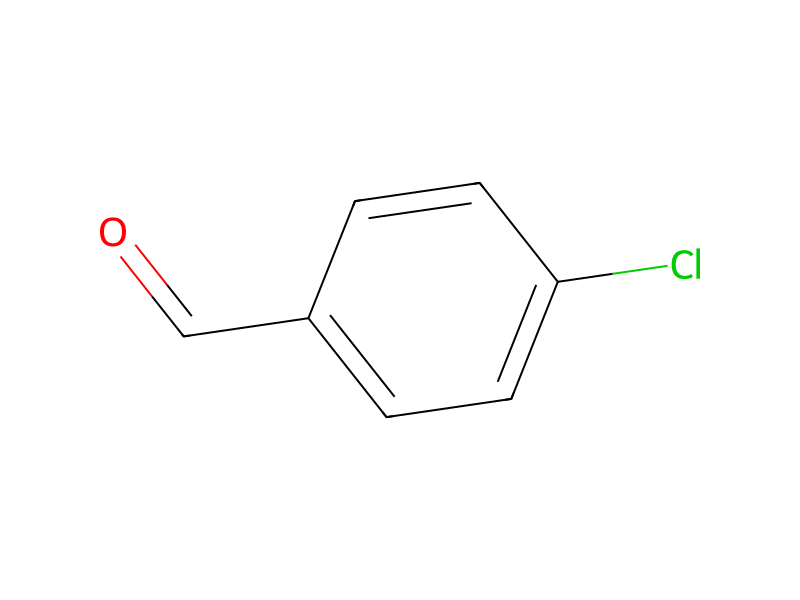
Reactant 3


Product 1

Reagents, catalysts & solvents 2


Procedure
A 25 ml reaction flask was charged with 12.42 gram (0.03 moles) of polyvinyl benzyl triphenyl phosphonium chloride, 60 ml of dichloromethane, and 14.0 gm (0.10 moles) of p-chlorobenzaldehyde. A magnetic stirr bar was added and a thermometer and a condenser were attached. 20 grams of 50% aqueous NaOH solution was added all at once to the reaction flask. The temperature of the reaction mixture rose to a reflux and was stirred for one hour. 100 ml of H2O was added and the organic layer was separated. The polymer was precipitated from an excess of methanol. 5.55 grams of a white fibrous polymer was obtained. The polymer was continuously extracted with methanol for 24 hours before being dried and submitted for elemental analysis for % Cl and % P. A calculated percent is 14.7% Cland 0.0% P. The analysis indicated 14.55% Cl and 0.3% P.
Workup
- customA 25 ml reaction flask
- additionA magnetic stirr bar was added
- temperaturea reflux
- customthe organic layer was separated
- customThe polymer was precipitated from an excess of methanol
Sources & evidence
- ORD record
- ord-05f9094cfbcb45fa8fde077c48ae282d
- Source dataset
- uspto-grants-1984_05
- Patent number
- US04446284
Reaction notes
Loading…