Benzylamine → Tirbanibulin
Reaction equation

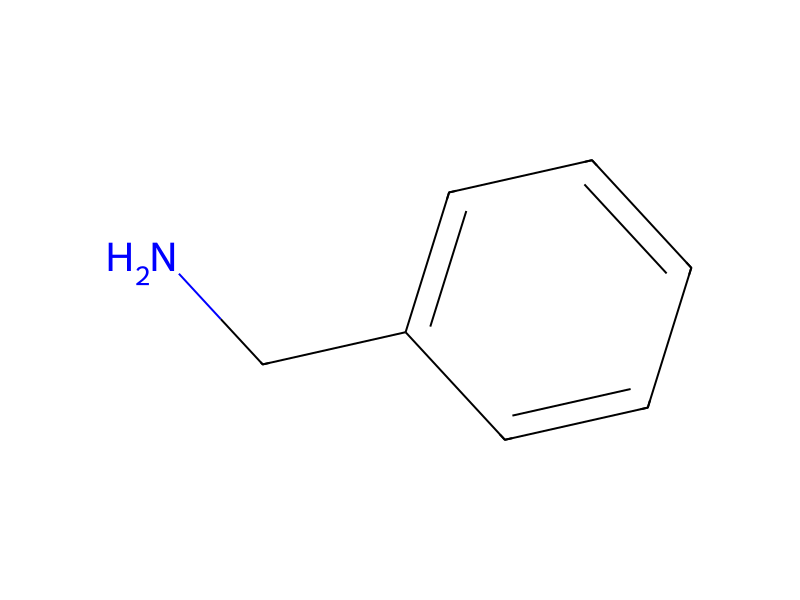
[O:1]1[CH2:6][CH2:5][N:4]([CH2:7][CH2:8][O:9][C:10]2[CH:15]=[CH:14][C:13]([C:16]3[CH:17]=[CH:18][C:19]([CH2:22][C:23](OC)=[O:24])=[N:20][CH:21]=3)=[CH:12][CH:11]=2)[CH2:3][CH2:2]1.C1(OC)C=CC=CC=1.[CH2:35]([NH2:42])[C:36]1[CH:41]=[CH:40][CH:39]=[CH:38][CH:37]=1>CCCCCCC>[O:1]1[CH2:2][CH2:3][N:4]([CH2:7][CH2:8][O:9][C:10]2[CH:11]=[CH:12][C:13]([C:16]3[CH:17]=[CH:18][C:19]([CH2:22][C:23]([NH:42][CH2:35][C:36]4[CH:41]=[CH:40][CH:39]=[CH:38][CH:37]=4)=[O:24])=[N:20][CH:21]=3)=[CH:14][CH:15]=2)[CH2:5][CH2:6]1Participants
Reactant 3
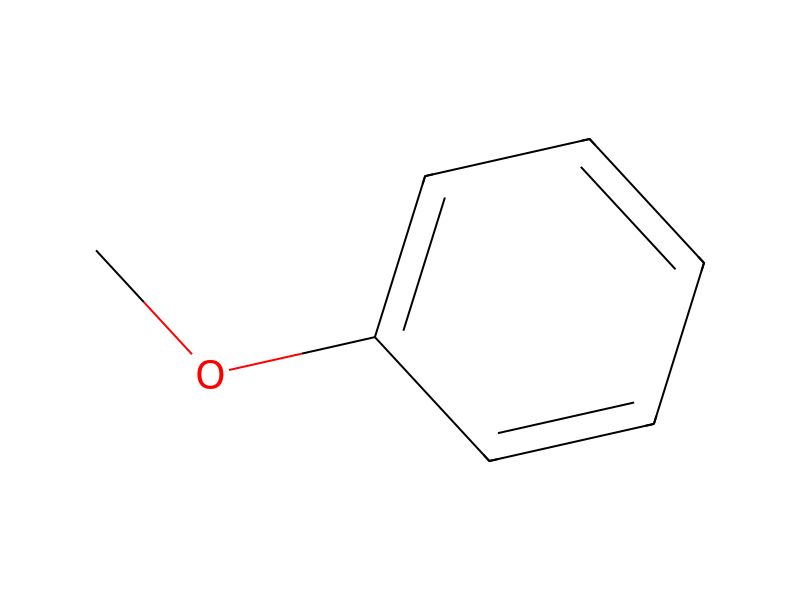

Product 1

Reagents, catalysts & solvents 1

Conditions
- Temperature
- 142 °C
Procedure
To a 22-L reactor was charged compound 7 (650 g, 1.82 mol), anisole (3.25 L, 5 vol, anhydrous) and benzylamine (600 mL, 0.92 vol, 3 equiv). The batch (approximately 18° C.) was heated to 142±5° C. over 1 hour 44 minutes, with dissolution occurring at 30° C. The batch was maintained at 142±5° C. for 69 hours 30 minutes at which point HPLC analysis indicated that compound 7 was 0.9% by conversion (specification ≦1.7% by conversion). The batch was cooled to 45-50° C. over 5 hours 12 minutes (to aid cooling the nitrogen flow was increased once the batch was approximately 72° C.). At that temperature range, the batch was poorly stirring and on mixing, the batch temperature increased to 52° C. It was >50° C. for <15 minutes. The batch was aged for 2 hours 2 minutes once initially <50° C., then n-heptane (9.75 L, 15 vol, 99%) was added to the batch over 1 hour 56 minutes, maintaining the batch temperature at 45-50° C. The heating was then discontinued and the batch cooled to 25° C. over 10 hours 32 minutes and then to approximately 20° C. over 20 minutes. The total time the batch was maintained ≦25° C. was 4 hours 50 minutes (2 hours 47 minutes at approximately 20° C.). The batch was filtered under suction via a 24-inch polypropylene filter funnel (fitted with a PTFE cloth) and the reactor rinsed with anisole/n-heptane (1.3 L, 4:1) and the rinse transferred to the cake. The cake was then washed successively with two portions of n-heptane (1.3 L, 0.65 L). The total filtration time was 39 minutes. The batch (net wet weight 1004 g of KX2391) was transferred to three glass trays and placed into a vacuum oven set at 50° C. and dried to constant weight over 96 hours 26 minutes.
Workup
- customoccurring at 30° C
- temperatureThe batch was maintained at 142±5° C. for 69 hours 30 minutes at which point HPLC analysis
- temperatureThe batch was cooled to 45-50° C. over 5 hours 12 minutes (
- temperatureto aid cooling the nitrogen flow
- temperaturewas increased once the batch
- customwas approximately 72° C.
- additionon mixing
- temperaturethe batch temperature increased to 52° C
- waitIt was >50° C. for <15 minutes
- temperaturemaintaining the batch temperature at 45-50° C
- temperaturethe batch cooled to 25° C. over 10 hours 32 minutes
- waitto approximately 20° C. over 20 minutes
- temperatureThe total time the batch was maintained ≦25° C.
- waitwas 4 hours 50 minutes
- custom(2 hours 47 minutes at approximately 20° C.)
- filtrationThe batch was filtered under suction via a 24-inch polypropylene
- filtrationfilter funnel (
- customfitted with a PTFE cloth) and the reactor
- washrinsed with anisole/n-heptane (1.3 L, 4:1)
- washThe cake was then washed successively with two portions of n-heptane (1.3 L, 0.65 L)
- waitThe total filtration time was 39 minutes
- customset at 50° C.
- customdried to constant weight over 96 hours 26 minutes
Sources & evidence
- ORD record
- ord-51ba795970684eed8d0e075dc864a02d
- Source dataset
- uspto-grants-2011_05
- Patent number
- US07939529B2
Reaction notes
Loading…