Sodium Hydroxide → HCID 87304286, compound
Reaction equation

[F:1][C:2]([F:36])([F:35])[C:3]1[CH:4]=[C:5]([C:13]([CH3:34])([CH3:33])[C:14]([N:16]([C:18]2[CH:19]=[N:20][C:21](Cl)=[CH:22][C:23]=2[C:24]2[CH:29]=[CH:28][C:27]([F:30])=[CH:26][C:25]=2[CH3:31])[CH3:17])=[O:15])[CH:6]=[C:7]([C:9]([F:12])([F:11])[F:10])[CH:8]=1.C[O:38][CH2:39][C@@H:40]1[CH2:44][CH2:43][C@@H:42]([CH2:45][O:46]C)[NH:41]1.[OH-].[Na+].B(Br)(Br)Br>[Br-].C([N+](C)(C)C)CCCCCCCCCCCCCCC.ClCCl.CC(C)([P](C(C)(C)C)([Pd][P](C(C)(C)C)(C(C)(C)C)C(C)(C)C)C(C)(C)C)C.C1(C)C=CC=CC=1>[OH:38][CH2:39][C@H:40]1[CH2:44][CH2:43][C@@H:42]([CH2:45][OH:46])[N:41]1[C:21]1[N:20]=[CH:19][C:18]([N:16]([CH3:17])[C:14](=[O:15])[C:13]([C:5]2[CH:4]=[C:3]([C:2]([F:36])([F:35])[F:1])[CH:8]=[C:7]([C:9]([F:12])([F:11])[F:10])[CH:6]=2)([CH3:34])[CH3:33])=[C:23]([C:24]2[CH:29]=[CH:28][C:27]([F:30])=[CH:26][C:25]=2[CH3:31])[CH:22]=1.[OH:38][CH2:39][C@@H:40]1[CH2:44][CH2:43][C@@H:42]([CH2:45][OH:46])[N:41]1[C:21]1[N:20]=[CH:19][C:18]([N:16]([CH3:17])[C:14](=[O:15])[C:13]([C:5]2[CH:4]=[C:3]([C:2]([F:36])([F:35])[F:1])[CH:8]=[C:7]([C:9]([F:12])([F:11])[F:10])[CH:6]=2)([CH3:34])[CH3:33])=[C:23]([C:24]2[CH:29]=[CH:28][C:27]([F:30])=[CH:26][C:25]=2[CH3:31])[CH:22]=1Participants
Reactant 4




Product 2


Reagents, catalysts & solvents 4



Conditions
- Temperature
- 90 °C
Procedure
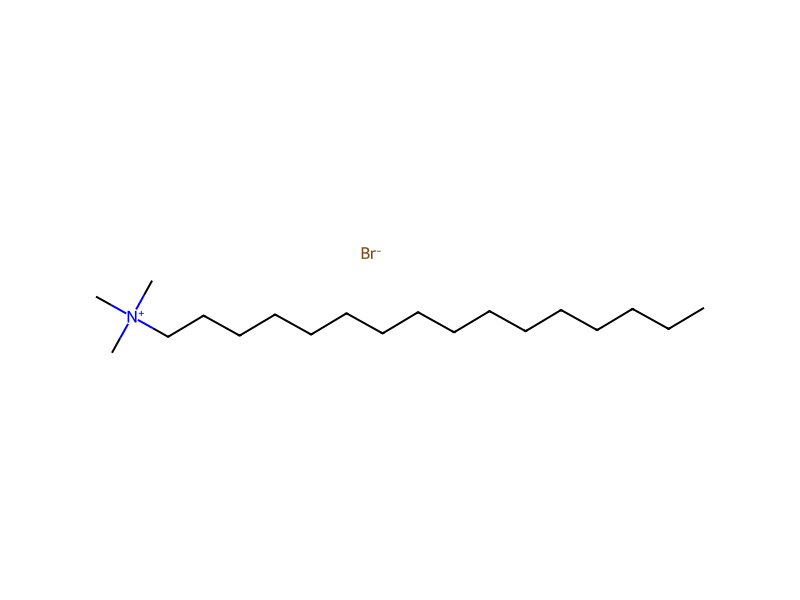
A mixture of 0.30 g (0.56 mmol) 2-(3,5-bis-trifluoromethyl-phenyl)-N-[6-chloro-4-(4-fluoro-2-methyl-phenyl)-pyridin-3-yl]-N-methyl-isobutyramide, 0.11 g (0.68 mmol) (2S,5S)-(−)-2,5-bis(methoxymethyl)pyrrolidine, 5 mg (0.01 mmol) cetyltrimethylammonium bromide, 0.014 g (0.027 mmol) bis(tri-t-butylphosphine)palladium(0), 0.07 ml NaOH 50% and 2 ml toluene was degassed by two freeze-thaw cycles. The reaction mixture was heated under argon at 90° C. over night. After cooling to room temperature the mixture was diluted with water and extracted with three portions of tert-butyl methyl ether. The combined organic layers were dried over sodium sulphate and concentrated in vacuo. Flash column chromatography gave 0.09 g of the crude coupling product. This material was dissolved in 2 ml dichloromethane and treated with 1.1 ml (1.1 mmol) of a 1 M solution of boron tribromide in dichloromethane at 0° C. After 15 min. the reaction was quenched by the addition of water, followed by extraction with three portions of dichloromethane. The combined organic layers were dried over sodium sulphate and concentrated in vacuo. Flash column chromatography gave 7 mg (2%) of (2R,5S)—N-[6-(2,5-bis-hydroxymethyl-pyrrolidin-1-yl)-4-(4-fluoro-2-methyl-phenyl)-pyridin-3-yl]-2-(3,5-bis-trifluoromethyl-phenyl)-N-methyl-isobutyramide as a light brown solid and 6 mg (2%) of (2S,5S)—N-[6-(2,5-bis-hydroxymethyl-pyrrolidin-1-yl)-4-(4-fluoro-2-methyl-phenyl)-pyridin-3-yl]-2-(3,5-bis-trifluoromethyl-phenyl)-N-methyl-isobutyramide as a light brown solid.
Workup
- customwas degassed by two freeze-thaw cycles
- temperatureAfter cooling to room temperature the mixture
- additionwas diluted with water
- extractionextracted with three portions of tert-butyl methyl ether
- dry with materialThe combined organic layers were dried over sodium sulphate
- concentrationconcentrated in vacuo
- customFlash column chromatography gave 0.09 g of the crude coupling product
- customAfter 15 min. the reaction was quenched by the addition of water
- extractionfollowed by extraction with three portions of dichloromethane
- dry with materialThe combined organic layers were dried over sodium sulphate
- concentrationconcentrated in vacuo
Sources & evidence
- ORD record
- ord-33c7a87dfc824fb89282d60d0ee11454
- Source dataset
- uspto-grants-2011_05
- Patent number
- US07939533B2
Reaction notes
Loading…