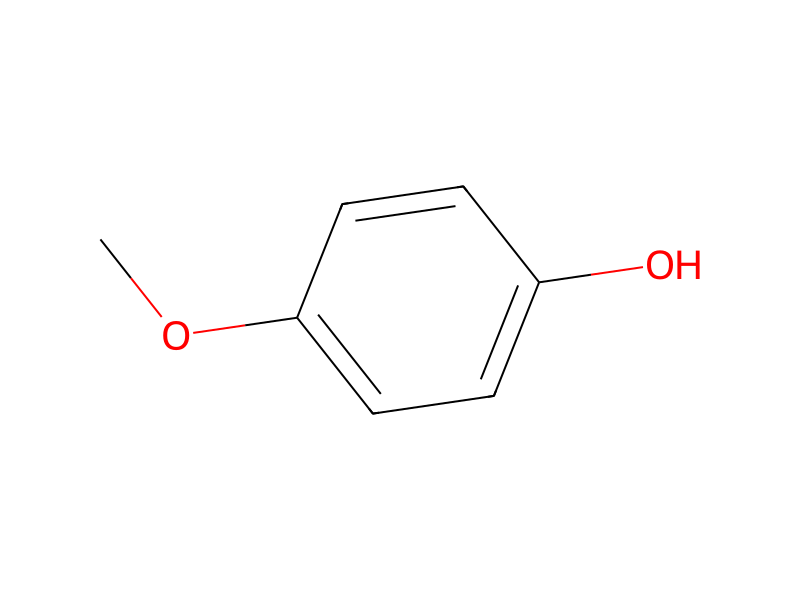
4-Methoxyphenol → Urethane acrylate
Reaction equation

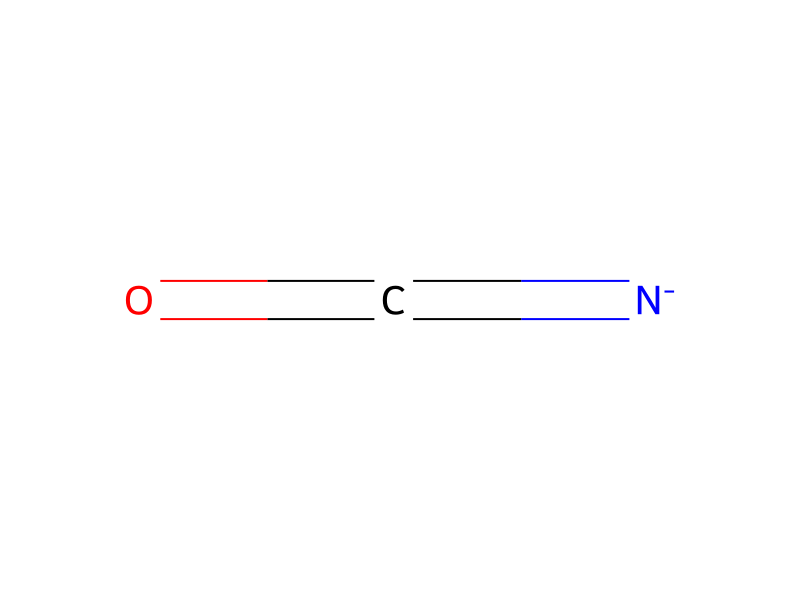
[N-:1]=[C:2]=[O:3].[C:4]([O-:17])(=[O:16])[CH2:5][CH2:6]CCCCCCCCC.C([Sn+2]CCCC)CCC.[C:27]([O-])(=[O:39])[CH2:28]CCCCCCCCCC.COC1C=CC(O)=CC=1>C1(C)C=CC=CC=1>[C:4]([OH:17])(=[O:16])[CH:5]=[CH2:6].[NH2:1][C:2]([O:39][CH2:27][CH3:28])=[O:3]Participants
Reactant 3

Product 1

Reagents, catalysts & solvents 1

Conditions
- Temperature
- 70 °C
Procedure
50 parts of toluene, 87 parts of isophorone diisocyanate subjected to isocyanurate modification (“BESTANATE T1890E”, trade name, produced by Degussa AG), nonvolatile content: 70%, isocyanate content: 12%], 59.8 parts of polycaprolactone-modified hydroxyethyl acrylate (“PLACCEL FA1”), 32.8 parts of polycaprolactone-modified hydroxyethyl acrylate (“PLACCEL FA20”, trade name, produced by Daicel Chemical Industries, Ltd.), 0.02 parts of dibutyltin laurate, and 0.02 parts of hydroquinone monomethyl ether were mixed and the mixture was maintained at 70° C. for 5 hours. Thereafter, 84.5 parts of toluene was added to obtain a urethane acrylate having a solid content of 50% by weight. The average number of repetitions per one molecule of the urethane acrylate relative to the number of repetitions of a caprolactone unit per one residue of an acrylate monomer is 2. Further, the maximum difference in the number of repetitions between two kinds of the urethane acrylates is 19.
Sources & evidence
- ORD record
- ord-5a37d1027398460ca2d189db70f5c3a1
- Source dataset
- uspto-grants-2011_05
- Patent number
- US07939608B2
Reaction notes
Loading…