Dichloromethane → 5-Bromo-6-methoxy-3-pyridineacetonitrile
Reaction equation

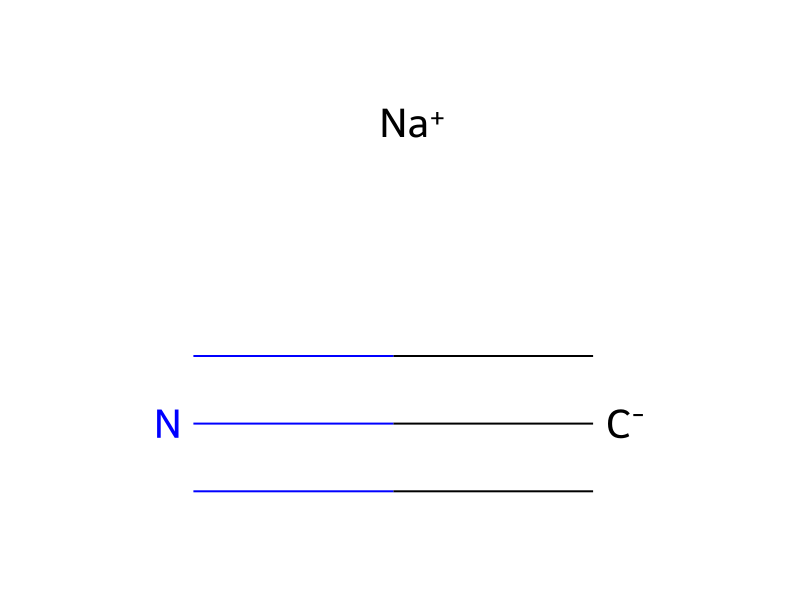
[Br:1][C:2]1[C:3]([O:10][CH3:11])=[N:4][CH:5]=[C:6]([CH2:8]Br)[CH:7]=1.[C-:12]#[N:13].[Na+].C(Cl)Cl.C([O-])(O)=O.[Na+]>CCO.O>[Br:1][C:2]1[CH:7]=[C:6]([CH2:8][C:12]#[N:13])[CH:5]=[N:4][C:3]=1[O:10][CH3:11]Participants
7






Conditions
- Temperature
- 50 °C
Procedure
To 3-bromo-5-bromomethyl-2-methoxy-pyridine (1.42 g, 5.05 mmol) in EtOH (14 mL) and H2O (1.5 mL) was added sodium cyanide (0.25 g, 5.05 mmol), and the reaction was stirred at 50° C. overnight. The mixture was cooled to room temperature and worked up with CH2Cl2 and saturated aqueous NaHCO3. The combined organic layers were dried, filtered, and concentrated to give (5-bromo-6-methoxy-pyridin-3-yl)-acetonitrile.
Workup
- temperatureThe mixture was cooled to room temperature
- customThe combined organic layers were dried
- filtrationfiltered
- concentrationconcentrated
Sources & evidence
- ORD record
- ord-cbbe0b02eed043baa28f70ad3d7e3a7f
- Source dataset
- uspto-grants-2011_11
- Patent number
- US08049015B2
Reaction notes
Loading…