1-Tetralone → N-(3,4-dihydro-2H-naphthalen-1-ylidene)hydroxylamine
Reaction equation

Cl.[NH2:2][OH:3].[CH2:4]1[CH2:14][C:12](=O)[C:11]2[C:6](=[CH:7][CH:8]=[CH:9][CH:10]=2)[CH2:5]1>CO>[C:12]1(=[N:2][OH:3])[C:11]2[C:6](=[CH:7][CH:8]=[CH:9][CH:10]=2)[CH2:5][CH2:4][CH2:14]1Participants
4
Reactant 2
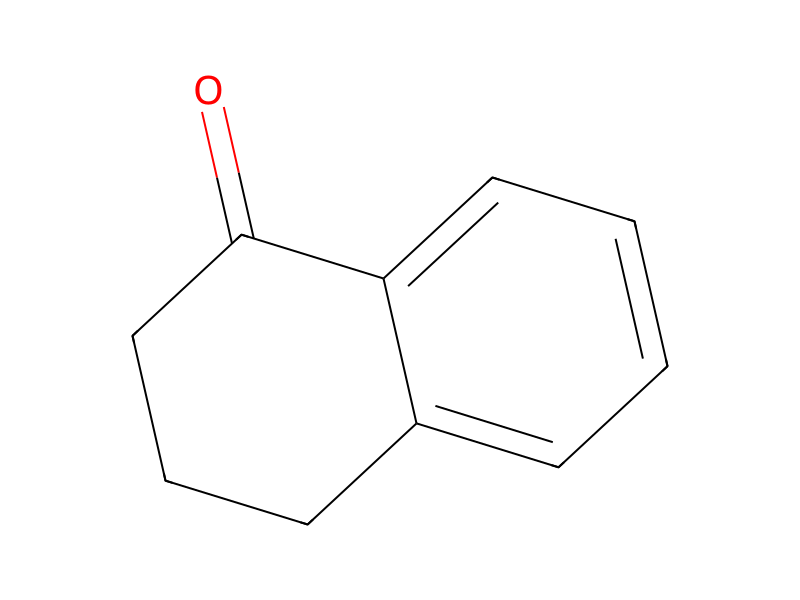

Product 1

Reagents, catalysts & solvents 1

Conditions
- Temperature
- 22 °C
Procedure
Add hydroxylamine hydrochloride (71.0 g, 1.03 mol) to a solution of α-tetralone (100.0 g, 0.68 mol) in 300 mL of methanol and stir the resulting solution at reflux for 2 hours. Cool the mixture to 20-24° C. and concentrate under reduced pressure. Dilute the residue with 1 L of water and extract with dichloromethane. Wash the organic layer with saturated aqueous sodium chloride, dry over sodium sulfate, filter, and concentrate under reduced pressure. Crystallize the residue from isopropanol to provide the desired compound as an off-white solid (70.0 g, 63%).
Workup
- temperatureat reflux for 2 hours
- concentrationconcentrate under reduced pressure
- additionDilute the residue with 1 L of water
- extractionextract with dichloromethane
- washWash the organic layer with saturated aqueous sodium chloride
- dry with materialdry over sodium sulfate
- filtrationfilter
- concentrationconcentrate under reduced pressure
- customCrystallize the residue from isopropanol
Sources & evidence
- ORD record
- ord-2b3369f6968748de9280bd1e99475c99
- Source dataset
- uspto-grants-2011_11
- Patent number
- US08058425B2
Reaction notes
Loading…