Sodium hydride → (5-Chloro-2-oxo-3,4-dihydro-2H-quinoxalin-1-yl)acetic acid tert-butyl ester
Reaction equation

[Cl:1][C:2]1[CH:11]=[CH:10][CH:9]=[C:8]2[C:3]=1[NH:4][CH2:5][C:6](=[O:12])[NH:7]2.[H-].[Na+].Br[CH2:16][C:17]([O:19][C:20]([CH3:23])([CH3:22])[CH3:21])=[O:18]>>[C:20]([O:19][C:17](=[O:18])[CH2:16][N:7]1[C:8]2[C:3](=[C:2]([Cl:1])[CH:11]=[CH:10][CH:9]=2)[NH:4][CH2:5][C:6]1=[O:12])([CH3:23])([CH3:22])[CH3:21]Participants
4

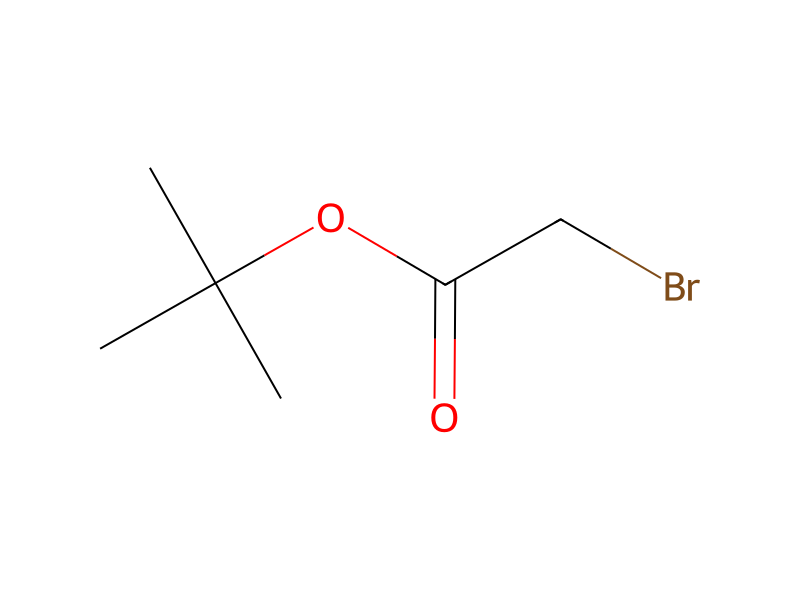


Procedure
Following the same procedure as described for Example 1C, 5-chloro-3,4-dihydro-1H-quinoxalin-2-one from Example 12D (350 mg, 1.9 mmol) was reacted with sodium hydride (60%, 84 mg, 2.1 mmol) and tert-butyl bromoacetate (340 μl, 2.1 mmol). The product was purified by flash chromatography on silica (eluant pet. ether:EtOAc 100:0 to 50:50) to give a brown solid; yield 450 mg, 79%.
Workup
- customThe product was purified by flash chromatography on silica (eluant pet. ether:EtOAc 100:0 to 50:50)
- customto give a brown solid
Sources & evidence
- ORD record
- ord-580a9184708e4893b639bb342d551964
- Source dataset
- uspto-grants-2011_11
- Patent number
- US08063038B2
Reaction notes
Loading…