Sodium Iodide → 5-Fluoro-1-(2-methoxyethyl)-3,4-dihydro-1H-quinoxalin-2-one
Reaction equation

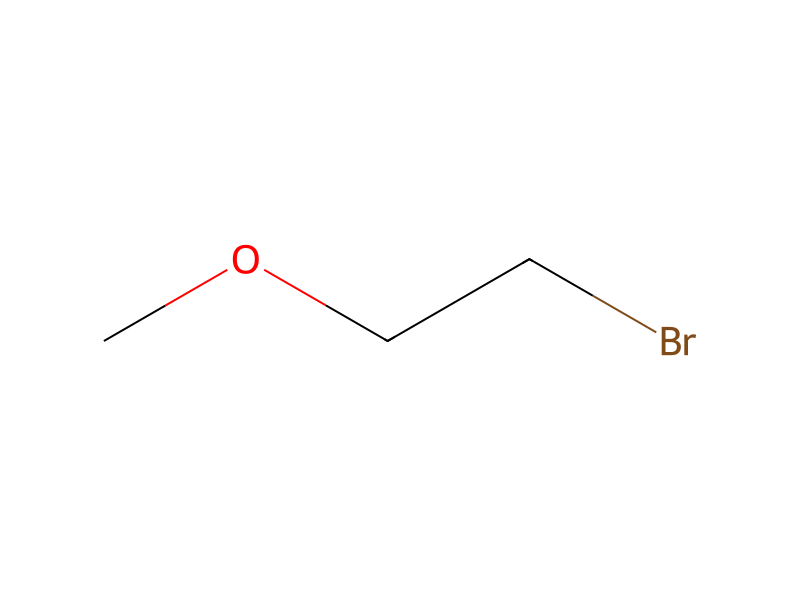
[H-].[Na+].[F:3][C:4]1[CH:13]=[CH:12][CH:11]=[C:10]2[C:5]=1[NH:6][CH2:7][C:8](=[O:14])[NH:9]2.[CH3:15][O:16][CH2:17][CH2:18]Br.[I-].[Na+]>CN(C=O)C.[Cl-].[Na+].O>[F:3][C:4]1[CH:13]=[CH:12][CH:11]=[C:10]2[C:5]=1[NH:6][CH2:7][C:8](=[O:14])[N:9]2[CH2:18][CH2:17][O:16][CH3:15]Participants
Reactant 4



Product 1

Reagents, catalysts & solvents 2


Procedure
Sodium hydride (60%, 72 mg, 1.8 mmol) was added to a solution of 5-fluoro-3,4-dihydro-1H-quinoxalin-2-one from Example B (300 mg, 1.8 mmol) in DMF (6.0 ml) while cooling in an ice/water bath. The mixture was allowed to warm to room temperature and stirred for 0.5 h. The mixture was cooled in an ice/water bath and 2-bromoethyl methyl ether (170 μl, 1.8 mmol) and sodium iodide (140 mg, 0.9 mmol) were added. The mixture was allowed to warm to room temperature and stirred for 18 h. The mixture was diluted with brine and evaporated in vacuo. The residue was partitioned between EtOAc and brine and separated. The organic phase was dried and evaporated. The residue was purified by flash chromatography (eluant EtOAc:pet.ether 55:45) to give a pale yellow gum; yield 200 mg, 50%.
Workup
- temperaturewhile cooling in an ice/water bath
- temperatureThe mixture was cooled in an ice/water bath
- temperatureto warm to room temperature
- stirringstirred for 18 h
- customevaporated in vacuo
- customThe residue was partitioned between EtOAc and brine
- customseparated
- customThe organic phase was dried
- customevaporated
- customThe residue was purified by flash chromatography (eluant EtOAc:pet.ether 55:45)
- customto give a pale yellow gum
Sources & evidence
- ORD record
- ord-8e266665f1d94f2bbdde020b8c1a4094
- Source dataset
- uspto-grants-2011_11
- Patent number
- US08063038B2
Reaction notes
Loading…