3,4-Dimethoxy-6-nitrobenzamide → 2-Amino-4,5-dimethoxybenzamide
Reaction equation

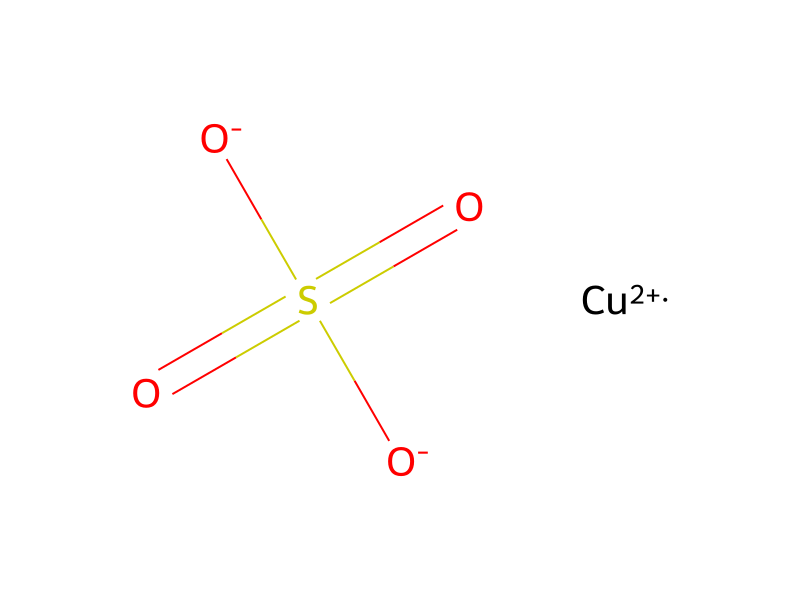
[CH3:1][O:2][C:3]1[C:11]([O:12][CH3:13])=[CH:10][C:6]([C:7]([NH2:9])=[O:8])=[C:5]([N+:14]([O-])=O)[CH:4]=1.[BH4-].[Na+]>S([O-])([O-])(=O)=O.[Cu+2]>[CH3:1][O:2][C:3]1[C:11]([O:12][CH3:13])=[CH:10][C:6]([C:7]([NH2:9])=[O:8])=[C:5]([NH2:14])[CH:4]=1Participants
4
Reactant 2


Product 1

Reagents, catalysts & solvents 1
Procedure
The common synthetic intermediate 4-chloro-6,7-dimethoxyquinazoline 5 used for synthesizing all the tested compounds by following literature procedures (Scheme 1). 4,5-dimethoxy-2-nitrobenzoic acid 1 was treated with thionyl chloride, and then reacted with ammonia to give 4,5-dimethoxy-2-nitrobenzamide 2 (Nomoto et al., 1990, Chem. Pharm. Bull 38: 1591-1595). The nitro group in compound 2 was reduced with sodium borohydride in the presence of copper sulfate (31) to give 4,5-dimethoxy- 2-aminobenzamide 3, which was cyclized by refluxing with formic acid to give 6,7-dimethoxyquinazoline-4(3H)-one 4. The quinazolinone 4 was refluxed with phosphorus oxytrichloride to provide the key starting material 5 with good yield.
Sources & evidence
- ORD record
- ord-2563e56bedab4c77bafcd632cf89f2dd
- Source dataset
- uspto-grants-2001_01
- Patent number
- US06172071B2
Reaction notes
Loading…