Toluene → trans-2-(4-Hydroxycyclohexyl)-isoindole-1,3-dione
Reaction equation

Cl.[NH2:2][CH:3]1[CH2:8][CH2:7][CH:6]([OH:9])[CH2:5][CH2:4]1.[C:10]1(=O)[O:15][C:13](=[O:14])[C:12]2=[CH:16][CH:17]=[CH:18][CH:19]=[C:11]12.C(N(C(C)C)C(C)C)C.C1(C)C=CC=CC=1>O>[C:10]1(=[O:15])[N:2]([CH:3]2[CH2:8][CH2:7][CH:6]([OH:9])[CH2:5][CH2:4]2)[C:13](=[O:14])[C:12]2=[CH:16][CH:17]=[CH:18][CH:19]=[C:11]12Participants
6





Procedure
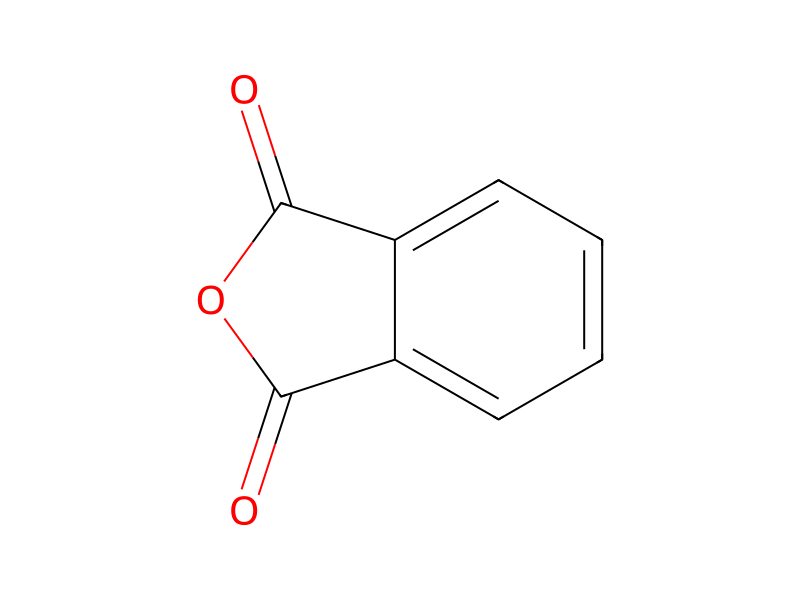
75.5 g (0.5 Mol) of 4-aminocyclohexanolhydrochloride and 74.0 g (0.5 Mol) of phthalic acid anhydride are mixed with 65 g (0.5 Mol) of ethyl-diisopropyl-amine and 1000 ml of toluene and boiled for 36 hours with a water separator. Then water is added, the toluene phase is separated off and the aqueous phase is extracted several times with chloroform. The organic phases are combined, dried and concentrated. The concentration residue is recrystallised from isopropanol.
Workup
- customthe toluene phase is separated off
- extractionthe aqueous phase is extracted several times with chloroform
- customdried
- concentrationconcentrated
- customThe concentration residue is recrystallised from isopropanol
Sources & evidence
- ORD record
- ord-dc1b9f2c2d714ce2b6be12f9d0a79744
- Source dataset
- uspto-grants-1988_03
- Patent number
- US04731374
Reaction notes
Loading…