Triethylamine → Phenyl quinolin-4-ylcarbamate
Reaction equation

[N:1]1[C:10]2[C:5](=[CH:6][CH:7]=[CH:8][CH:9]=2)[CH:4]=[CH:3][C:2]=1NC(=O)OC1C=CC=CC=1.C([N:23](CC)CC)C.Cl[C:29]([O:31][C:32]1[CH:37]=[CH:36][CH:35]=[CH:34][CH:33]=1)=[O:30]>ClCCl>[N:1]1[C:10]2[C:5](=[CH:6][CH:7]=[CH:8][CH:9]=2)[C:4]([NH:23][C:29](=[O:30])[O:31][C:32]2[CH:37]=[CH:36][CH:35]=[CH:34][CH:33]=2)=[CH:3][CH:2]=1Participants
5
Reactant 3

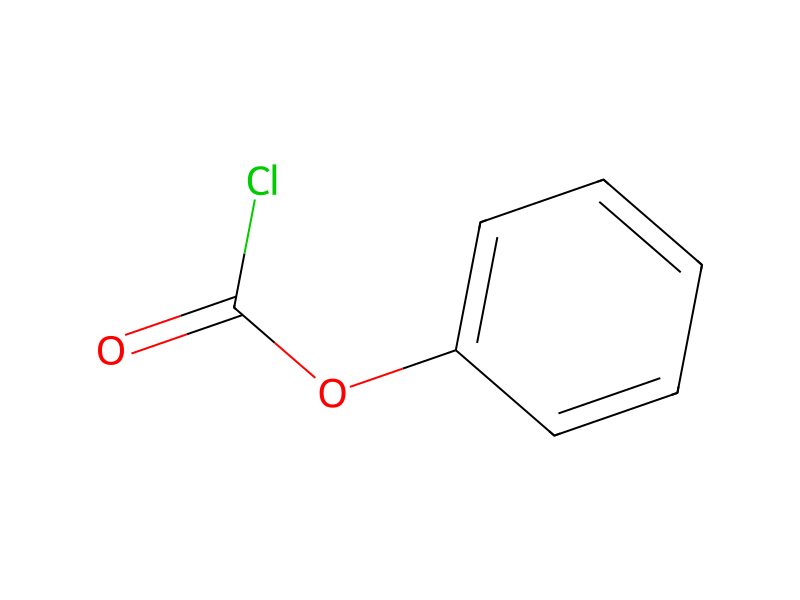

Product 1

Reagents, catalysts & solvents 1

Procedure
Quinolin-4-amine (A) (76 mg, 0.53 mmol) was dissolved in dichloromethane. To the reaction mixture was added triethylamine (0.09 mL, 0.63 mmol) and phenyl chloroformate (0.07 mL, 0.55 mmol) and stirred at room temperature for 1 h. The reaction mixture was concentrated under reduced pressure to afford the crude phenyl quinolin-4-ylcarbamate which was directly used for next step without purification.
Workup
- concentrationThe reaction mixture was concentrated under reduced pressure
Sources & evidence
- ORD record
- ord-d3468b510e014d31bb5fa509dc369369
- Source dataset
- uspto-grants-2015_05
- Patent number
- US09029378B2
Reaction notes
Loading…