4-Methoxybenzaldehyde → 3-(4-Methoxyphenyl)-2-(morpholin-4-ylcarbonothioyl)acrylonitrile
Reaction equation

[N:1]1([C:7](=[S:11])[CH2:8][C:9]#[N:10])[CH2:6][CH2:5][O:4][CH2:3][CH2:2]1.[CH:12](=O)[C:13]1[CH:18]=[CH:17][C:16]([O:19][CH3:20])=[CH:15][CH:14]=1>N1CCCCC1.C(O)C>[CH3:20][O:19][C:16]1[CH:17]=[CH:18][C:13]([CH:12]=[C:8]([C:7]([N:1]2[CH2:6][CH2:5][O:4][CH2:3][CH2:2]2)=[S:11])[C:9]#[N:10])=[CH:14][CH:15]=1Participants
4
Reactant 2
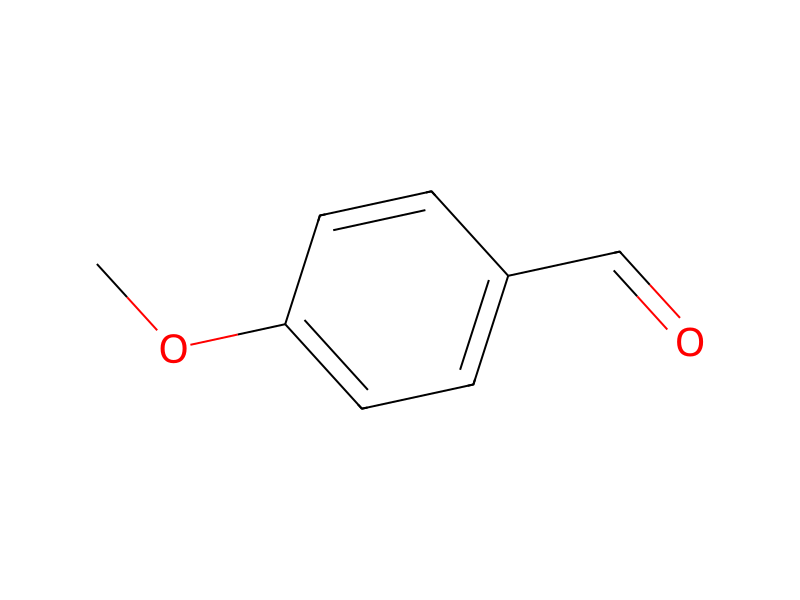

Product 1

Reagents, catalysts & solvents 1

Conditions
- Temperature
- 50 °C
Procedure
A solution of 3-morpholin-4-yl-3-thioxopropanenitrile (0.122 g, 0.72 mmol) and p-anisaldehyde (0.1 mL, 0.86 mmol) in 10% piperidine/ethanol (5.5 mL) was allowed to stir at 50° C. under nitrogen for 3.5 h. The reaction mixture was concentrated and the residue was diluted with 10% citric acid solution and extracted with EtOAc. The organic solutions were combined, washed with sat NaHCO3 and brine, dried over MgSO4, filtered and concentrated to give 3-(4-methoxyphenyl)-2-(morpholin-4-ylcarbonothioyl)acrylonitrile. The crude product was a mixture of stereoisomers and was used directly in the next step. LCMS: (AA) ES+ 289.
Workup
- concentrationThe reaction mixture was concentrated
- additionthe residue was diluted with 10% citric acid solution
- extractionextracted with EtOAc
- washwashed with sat NaHCO3 and brine
- dry with materialdried over MgSO4
- filtrationfiltered
- concentrationconcentrated
Sources & evidence
- ORD record
- ord-0112e1f079454427860a6b13037ae33c
- Source dataset
- uspto-grants-2015_05
- Patent number
- US09029411B2
Reaction notes
Loading…