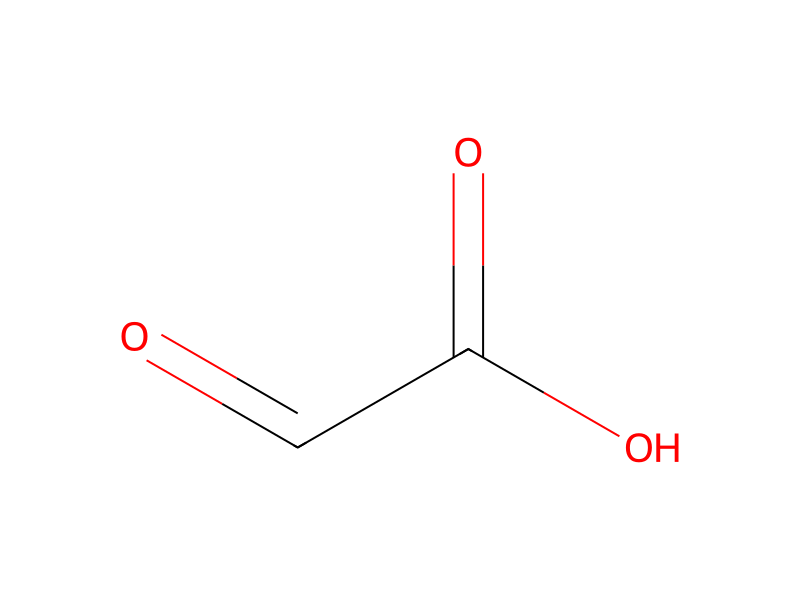
Glyoxylic Acid → HCID 68773090, compound
Reaction equation

[C:1]([OH:5])(=[O:4])[CH:2]=[O:3].[C:6]([C:9]1[CH:14]=[CH:13][CH:12]=[CH:11][N:10]=1)(=[O:8])[CH3:7].C(=O)([O-])[O-].[K+:19].[K+].[OH-].[K+]>>[OH:3][CH:2]([CH2:7][C:6](=[O:8])[C:9]1[CH:14]=[CH:13][CH:12]=[CH:11][N:10]=1)[C:1]([O-:5])=[O:4].[K+:19]Participants
5




Procedure
The condensation of glyoxylic acid with the 2-acetylpyridine 4 is carried out according to an aldolization in a basic medium (potassium carbonate) (Scheme 3) (Coates and McKillop, 1992). This step was optimized from 31% to 65% by simply increasing the number of equivalents of the base to 3 eq., whereas the yield from this condensation drops in a more basic medium of potassium hydroxide (Coates and McKillop, 1992). The potassium 2-hydroxy-4-oxo-4-(pyridin-2-yl)butanoate 5 obtained subsequently becomes cyclized, at the reflux of acetic acid in the presence of hydrazine monohydrate, so as to form the intermediate 6 which becomes dehydrated in situ so as to give the 6-(pyridin-2-yl)-2H-pyridazin-3-one 7 with an overall yield of 65%.
Workup
- temperatureby simply increasing the number of equivalents of the base to 3 eq.
- customwhereas the yield from this condensation
Sources & evidence
- ORD record
- ord-d2076da51b5e4d239a34b8ecdcf353f0
- Source dataset
- uspto-grants-2015_05
- Patent number
- US09034873B2
Reaction notes
Loading…