Potassium Phosphate, Tribasic → (R)-2-Chloro-1-(3-chlorophenyl)ethanol
Reaction equation

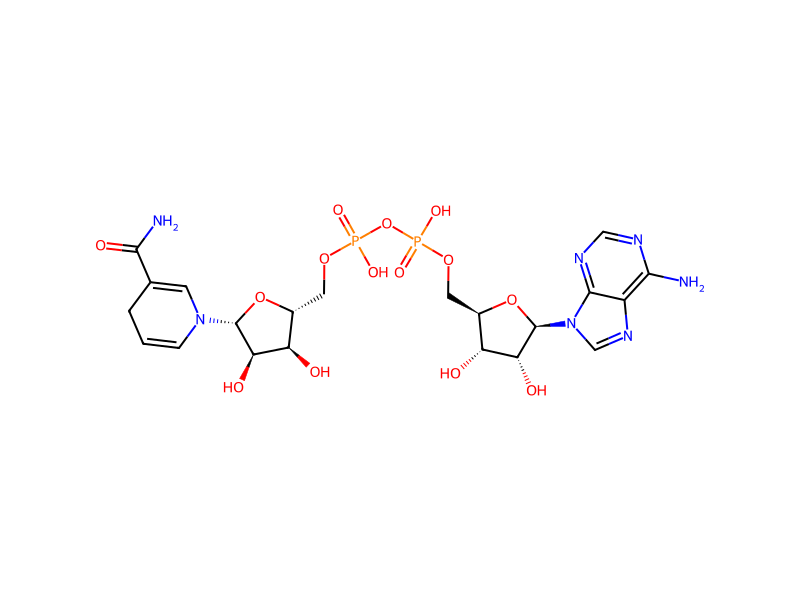
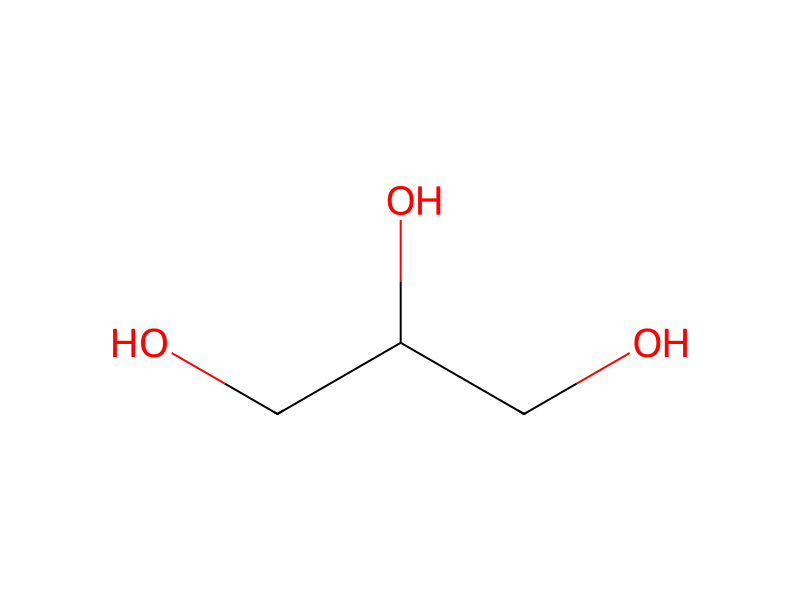
P([O-])([O-])([O-])=O.[K+].[K+].[K+].[Mg+2].[Cl-].[Cl-].[Cl:12][CH2:13][C:14]([C:16]1[CH:21]=[CH:20][CH:19]=[C:18]([Cl:22])[CH:17]=1)=[O:15].C1N=C(N)C2N=CN([C@@H]3O[C@H](COP(OP(OC[C@H]4O[C@@H](N5C=C(C(N)=O)CC=C5)[C@H](O)[C@@H]4O)(O)=O)(O)=O)[C@@H](O)[C@H]3O)C=2N=1>CC(C)CC(O)C.OCC(CO)O>[Cl:12][CH2:13][C@@H:14]([C:16]1[CH:21]=[CH:20][CH:19]=[C:18]([Cl:22])[CH:17]=1)[OH:15]Participants
7





Procedure
For the conversion, a mixture of 20 ml of a buffer (100 mM potassium phosphate, pH=8.5, 1 mM MgCl2, 10% glycerol), 20 g 2-chloro-1-(3-chlorophenyl)ethane-1-one dissolved in 80 ml 4-methyl-2-pentanol, 10 mg NAD and 20 000 U recombinant oxidoreductase from Pichia stipidis DSMZ 3651 was incubated at room temperature for 24 h with constant thorough mixing. After 24 h, more than 99% of the 2-chloro-1-(3-chlorophenyl)ethane-1-one used had been reduced. Subsequently, the 4-methyl-2-pentanol phase containing the product was separated from the aqueous phase, filtered, and the product (R)-2-chloro-1-(3-chlorophenyl)ethane-1-ol was obtained by distillation.
Workup
- waitAfter 24 h
- customwas separated from the aqueous phase
- filtrationfiltered
Sources & evidence
- ORD record
- ord-6e92961cf26148a594d91d4b1620891a
- Source dataset
- uspto-grants-2015_05
- Patent number
- US09040265B2
Reaction notes
Loading…