4-Methyl-2-Pentanol → (alphaS)-alpha-Methyl-3,5-bis(trifluoromethyl)benzenemethanol
Reaction equation

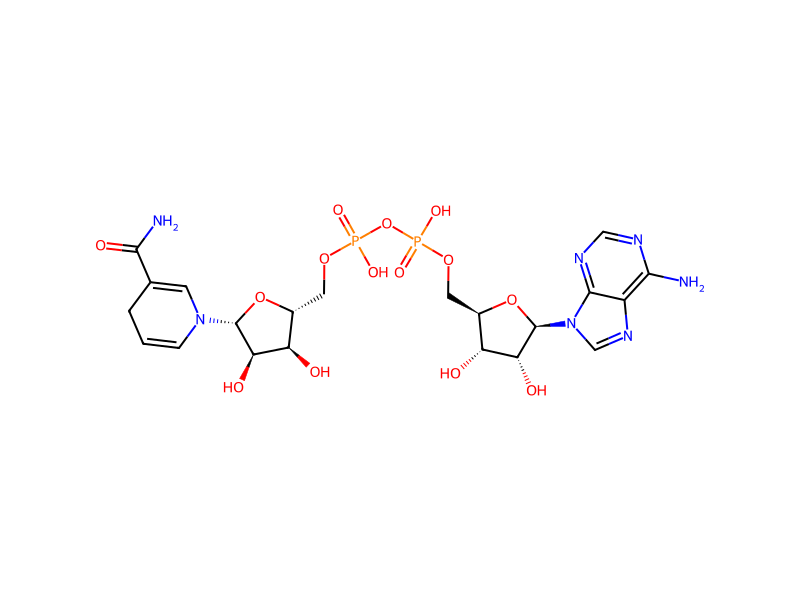
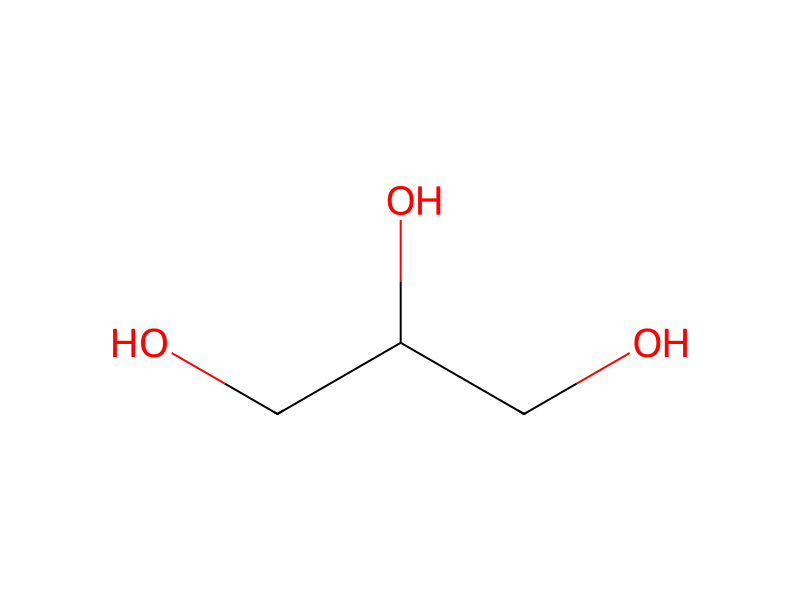
CC(C)CC(O)C.[F:8][C:9]([F:24])([F:23])[C:10]1[CH:11]=[C:12]([C:20](=[O:22])[CH3:21])[CH:13]=[C:14]([C:16]([F:19])([F:18])[F:17])[CH:15]=1.C1N=C(N)C2N=CN([C@@H]3O[C@H](COP(OP(OC[C@H]4O[C@@H](N5C=C(C(N)=O)CC=C5)[C@H](O)[C@@H]4O)(O)=O)(O)=O)[C@@H](O)[C@H]3O)C=2N=1>[Cl-].[Cl-].[Zn+2].OCC(CO)O>[F:8][C:9]([F:23])([F:24])[C:10]1[CH:11]=[C:12]([C@@H:20]([OH:22])[CH3:21])[CH:13]=[C:14]([C:16]([F:17])([F:18])[F:19])[CH:15]=1Participants




Procedure
For the conversion, a mixture of 1 mL of a buffer (100 mM TEA, pH=7, 10% glycerol, 1 mM ZnCl2), 3 ml 4-methyl-2-pentanol, 1 ml 1-[3,5 bis-(trifluoro-methyl)phenyl]ethane-1-one, 2 mg NAD and 0.7 kU recombinant oxidoreductase from Microbacterium spec. DSMZ 20028 was incubated at room temperature for 24 h with constant thorough mixing. After 24 h, more than 90% of the 1-[3,5 bis-(trifluoro-methyl)phenyl]ethane-1-one used had been reduced to (1S)-1[3,5-bis(trifluoromethyephenyl)ethane-1-ol. Subsequently, the 4-methyl2-pentanol phase containing the product was separated from the aqueous phase, filtered, and the product (1S)-1[3,5-bis(trifluoromethyl)phenyl]ethane-1-ol was obtained by distillation. The crude product (1S)-1-[3,5-bis(trifluoromethyl)phenyl]ethane-1-one obtained in this manner exhibited an enantiomeric excess of >99.5%.
Workup
- waitAfter 24 h
- customwas separated from the aqueous phase
- filtrationfiltered
Sources & evidence
- ORD record
- ord-594b41e889de4c7aa6dbcbfc849d5148
- Source dataset
- uspto-grants-2015_05
- Patent number
- US09040265B2
Reaction notes
Loading…