Ethyl bromopyruvate → Ethyl 2-cyclohexylthiazole-4-carboxylate
Reaction equation

[CH:1]1([C:7](=[S:9])[NH2:8])[CH2:6][CH2:5][CH2:4][CH2:3][CH2:2]1.Br[CH2:11][C:12](=O)[C:13]([O:15][CH2:16][CH3:17])=[O:14]>C1COCC1>[CH2:16]([O:15][C:13]([C:12]1[N:8]=[C:7]([CH:1]2[CH2:6][CH2:5][CH2:4][CH2:3][CH2:2]2)[S:9][CH:11]=1)=[O:14])[CH3:17]Participants
4
Reactant 2
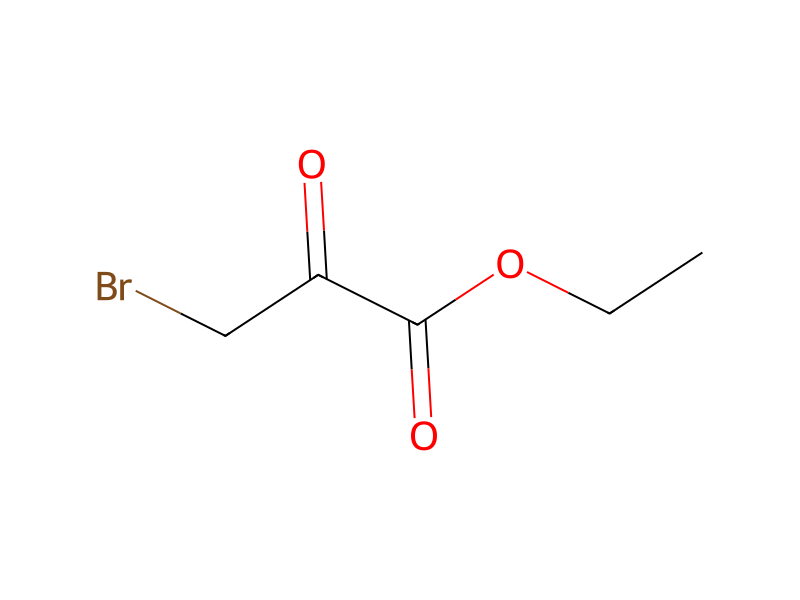

Product 1

Reagents, catalysts & solvents 1

Procedure
A solution of cyclohexanecarbothioic acid amide (115, 5.5 g, 38.3 mmol) and ethyl 3-bromopyruvate (90%, 8.3 g, 38.3 mmol) in THF (200 mL) was heated to reflux. After 2 h, the reaction mixture was cooled to room temperature for 12 h. Then, the solvent was evaporated and the residue was purified by column chromatography (gradient of heptane/AcOEt, 90:10 to 75:25) to afford 6.8 g (74%) of the title compound 116 as a clear liquid.
Workup
- customThen, the solvent was evaporated
- customthe residue was purified by column chromatography (gradient of heptane/AcOEt, 90:10 to 75:25)
Sources & evidence
- ORD record
- ord-fd4052e6cc0c4c5a98e6d0e972c1db37
- Source dataset
- uspto-grants-2015_05
- Patent number
- US09040562B2
Reaction notes
Loading…