Ammonium Chloride → 1-Acridinol, 1,2,3,4-tetrahydro-9-(((4-fluorophenyl)methyl)amino)-
Reaction equation

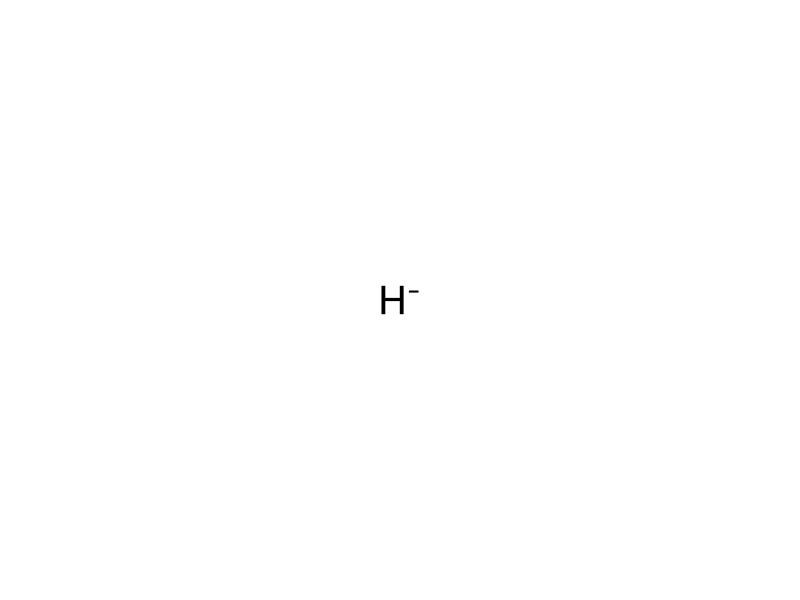
[F:1][C:2]1[CH:24]=[CH:23][C:5]([CH2:6][NH:7][C:8]2[C:9]3[C:14]([N:15]=[C:16]4[C:21]=2[C:20](=[O:22])[CH2:19][CH2:18][CH2:17]4)=[CH:13][CH:12]=[CH:11][CH:10]=3)=[CH:4][CH:3]=1.[H-].[H-].[H-].[H-].[Li+].[Al+3].[H-].[Cl-].[NH4+]>C1COCC1>[F:1][C:2]1[CH:3]=[CH:4][C:5]([CH2:6][NH:7][C:8]2[C:9]3[C:14]([N:15]=[C:16]4[C:21]=2[CH:20]([OH:22])[CH2:19][CH2:18][CH2:17]4)=[CH:13][CH:12]=[CH:11][CH:10]=3)=[CH:23][CH:24]=1Participants
6





Procedure
In 100 ml of dry THF was dissolved 3.00 g of 3,4-dihydro-9-(4-fluorobenzyl)aminoacridin-1(2H)-one. The mechanically stirred solution was cooled in ice and 4.68 ml of 1M LiAlH4 in THF was added over 5 minutes. After 1/2 hour the reaction was complete by TLC. The excess hydride was neutralized with 1 ml of saturated ammonium chloride solution and the resulting salts were filtered. The THF filtrate was evaporated to a solid which was recrystallized from 1:1 dichloromethane/pentane to yield 2.47 g of solid, mp 169.5°-170° C.
Workup
- temperatureThe mechanically stirred solution was cooled in ice
- filtrationthe resulting salts were filtered
- customThe THF filtrate was evaporated to a solid which
- customwas recrystallized from 1:1 dichloromethane/pentane
Sources & evidence
- ORD record
- ord-b92df52b59984597a47bc7f937e8ed91
- Source dataset
- uspto-grants-1988_06
- Patent number
- US04754050
Reaction notes
Loading…