Oxygen → Phosgene
Reaction equation

ClC=[C:3]([Cl:5])[Cl:4].[O:6]=O.[O:8]=[Si]=O.[Cl:11][CH:12]([Cl:16])[C:13]([Cl:15])=[O:14]>[Hg]>[CH:13]1([Cl:15])[O:14][C:12]1([Cl:16])[Cl:11].[C:3]([Cl:5])([Cl:4])=[O:8].[C:12]([Cl:16])(=[O:6])[C:13]([Cl:15])=[O:14]Participants



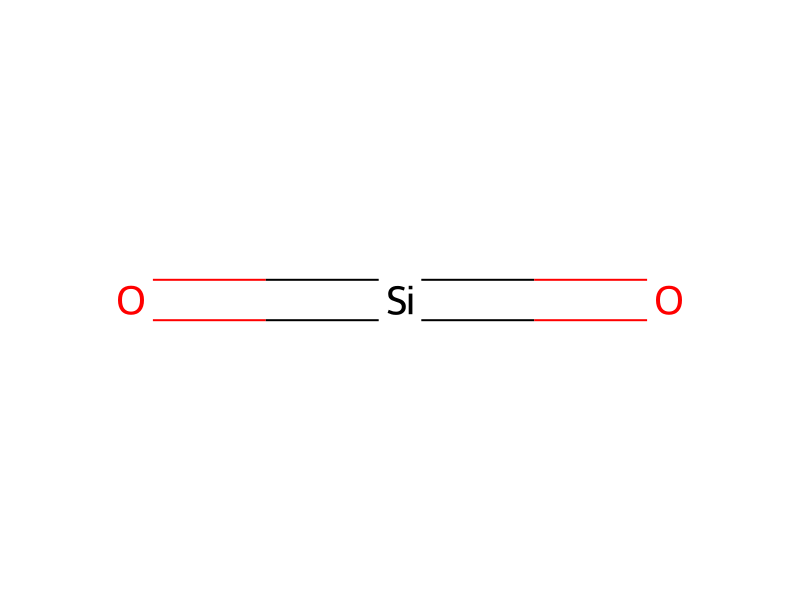




Procedure
Into a 400 mL Pyrex glass photoreactor with a not doped high pressure mercury vapor radiator (available as the TQ 718 of Firma Heraeus Noblelight), a mixture of trichloroethylene (from a pre-vaporizer at a temperature of 150° C.) and oxygen was supplied in gaseous form in a molar ratio of 1:1.1 and irradiated through quartz glass with a lamp output of 500 W at a temperature within the reactor of 90° C. The educts were supplied continuously here to the reactor from above and the products were discharged at the lower outlet of the reactor into a methanol/dry ice trap. The dosage was 2.2 moles of trichloroethylene per hour. GC analysis of the condensation products revealed dichloroacetyl chloride in a selectivity of 83%. Furthermore, 3.5% trichloroethylene epoxide, 11% phosgene and 2.8% oxalyl dichloride were formed. The conversion of the trichloroethylene was 63%.
Workup
- customwere discharged at the lower outlet of the reactor into a methanol/dry ice trap
Sources & evidence
- ORD record
- ord-7235f4b6d92e49c8a2f6426cfee75ab4
- Source dataset
- uspto-grants-1999_07
- Patent number
- US05919341
Reaction notes
Loading…