Morpholine → 5-(Morpholin-4-yl)-1H-pyrrolo[2,3-b]pyridine
Reaction equation

Brc1cnc2[nH]ccc2c1.C1COCCN1>C1COCCO1.CC(=O)O.CC(=O)O.CC(C)(C)[O-].CC(C)Oc1cccc(OC(C)C)c1-c1ccccc1P(C1CCCCC1)C1CCCCC1.[Na+].[Pd]>c1cc2cc(N3CCOCC3)cnc2[nH]1Participants
Reactant 2


Product 1

Reagents, catalysts & solvents 4
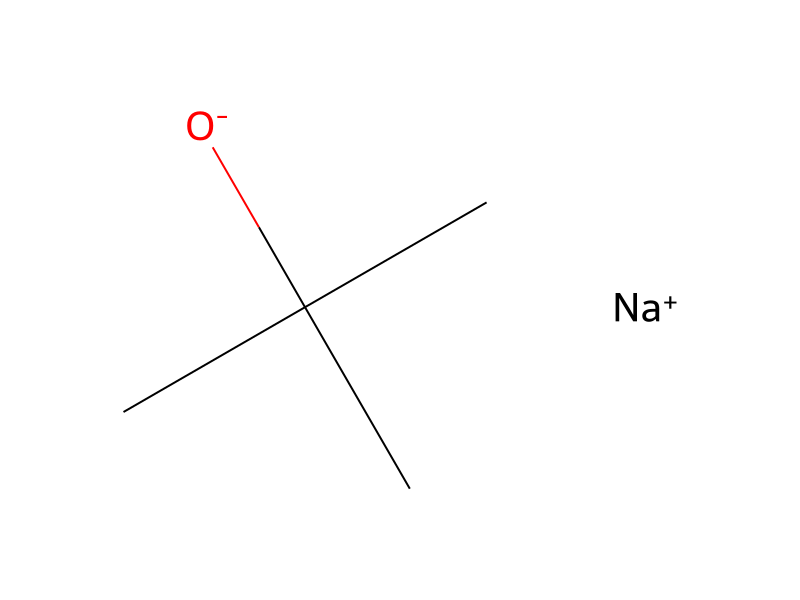
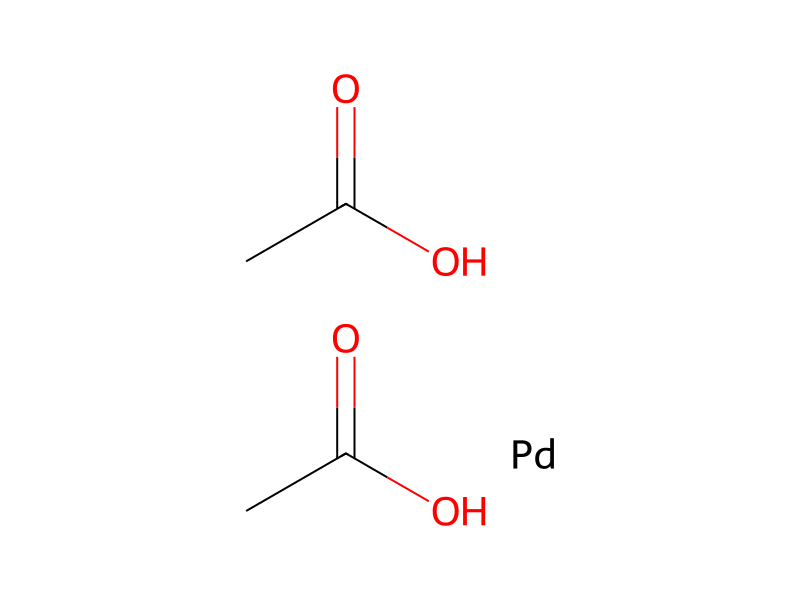
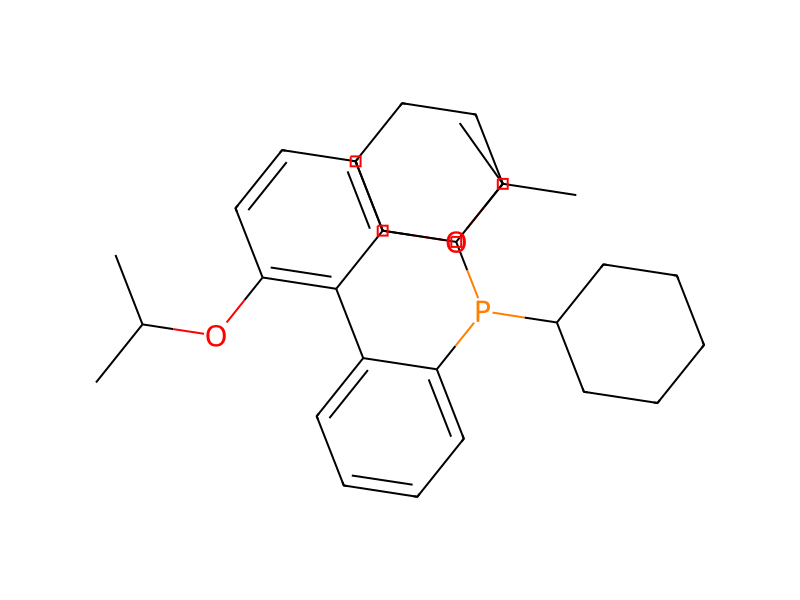

Conditions
- Temperature
- 90 °C
Procedure
To a mixture of 5-bromo-1H-pyrrolo[2,3-b]pyridine (9.9 g, 50.25 mmol), morpholine (7.96 mL, 100.49 mmol), sodium 2-methylpropan-2-olate (19.32 g, 200.98 mmol),dicyclohexyl(2',6'-diisopropoxy-[1,1'-biphenyl]-2-yl)phosphine (2.345 g, 5.02 mmol) in degassed dioxane (200 mL) was added diacetoxypalladium (0.564 g, 2.51 mmol) and the reaction mixture was heated under nitrogen at 90 °C for 17 hours, then evaporated and partitioned between DCM (150 mL) and saturated aqueous sodium bicarbonate solution (150 mL). The aqueous phase was extracted further with DCM (70 mL) and the combined organics were concentrated. The crude material was purified by flash silica chromatography, elution gradient 0 to 5% MeOH in DCM. Pure fractions were evaporated to dryness to afford 4-(1H-pyrrolo[2,3-b]pyridin-5-yl)morpholine (9.28 g, 91 %) as a yellow solid.
Sources & evidence
- ORD record
- ord-d96d0e3f2950466bac2ca8525ac77415
- Source dataset
- 750 AstraZeneca ELN dataset
- Original link
- View source
Reaction notes
Loading…