p-Toluenesulfonic acid → 1-(3-nitrophenyl)-1H-pyrrole
Reaction equation

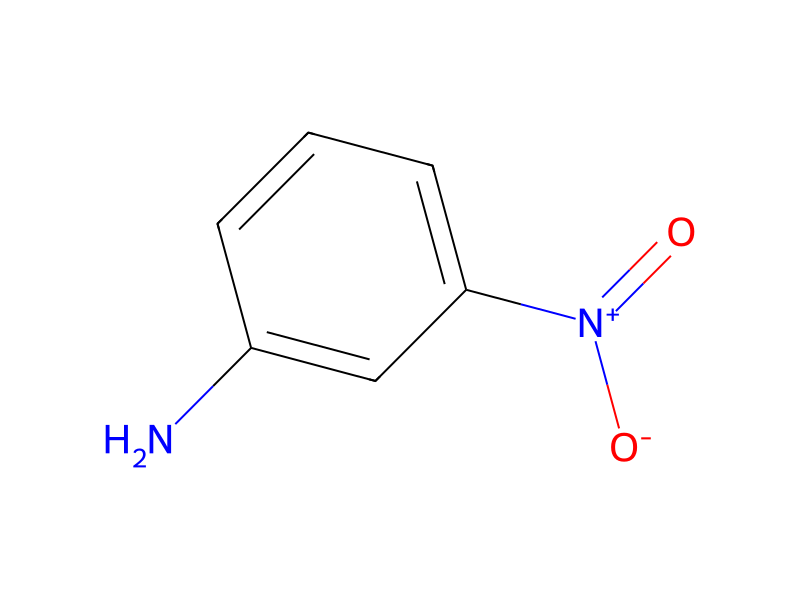
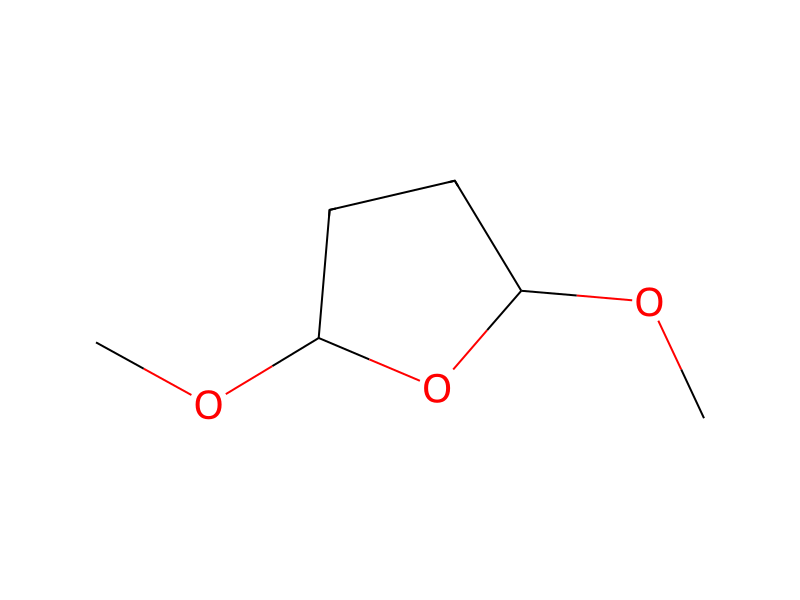
[N+:1]([C:4]1[CH:5]=[C:6]([CH:8]=[CH:9][CH:10]=1)[NH2:7])([O-:3])=[O:2].CO[CH:13]1[CH2:17][CH2:16][CH:15](OC)O1.CC1C=CC(S(O)(=O)=O)=CC=1>C1(C)C=CC=CC=1>[N+:1]([C:4]1[CH:5]=[C:6]([N:7]2[CH:13]=[CH:17][CH:16]=[CH:15]2)[CH:8]=[CH:9][CH:10]=1)([O-:3])=[O:2]Participants
5
Reactant 3

Product 1

Reagents, catalysts & solvents 1

Procedure
A mixture of 3-nitroaniline (15 g, 0.11 mmol), 2,5-dimethoxytetrahydrofuran (42 ml, 0.33 mol) and a catalytic amount of pTSA in dry toluene (150 ml) is heated to reflux for 2 hours. After cooling the mixture is concentrated under reduced pressure and the residue is purified by column-chromatography on silica gel using a mixture of ethyl acetate and petroleum ether (1:1) as the eluent. Yield: 16 g (78%). Mp 65-70° C.
Workup
- temperatureto reflux for 2 hours
- temperatureAfter cooling the mixture
- concentrationis concentrated under reduced pressure
- customthe residue is purified by column-chromatography on silica gel using
- additiona mixture of ethyl acetate and petroleum ether (1:1) as the eluent
Sources & evidence
- ORD record
- ord-fad5bf03b4244b9c9fba04096ba9e90f
- Source dataset
- uspto-grants-1999_07
- Patent number
- US05922724
Reaction notes
Loading…