1,3-Dibromo-5,5-dimethylhydantoin → 2-Bromo-1-ethyl-4-nitrobenzene
Reaction equation

[CH2:1]([C:3]1[CH:8]=[CH:7][C:6]([N+:9]([O-:11])=[O:10])=[CH:5][CH:4]=1)[CH3:2].FC(F)(F)S(O)(=O)=O.[Br:20]N1C(C)(C)C(=O)N(Br)C1=O.S(S([O-])=O)([O-])=O.[Na+].[Na+]>ClCCl>[Br:20][C:4]1[CH:5]=[C:6]([N+:9]([O-:11])=[O:10])[CH:7]=[CH:8][C:3]=1[CH2:1][CH3:2]Participants
6




Procedure
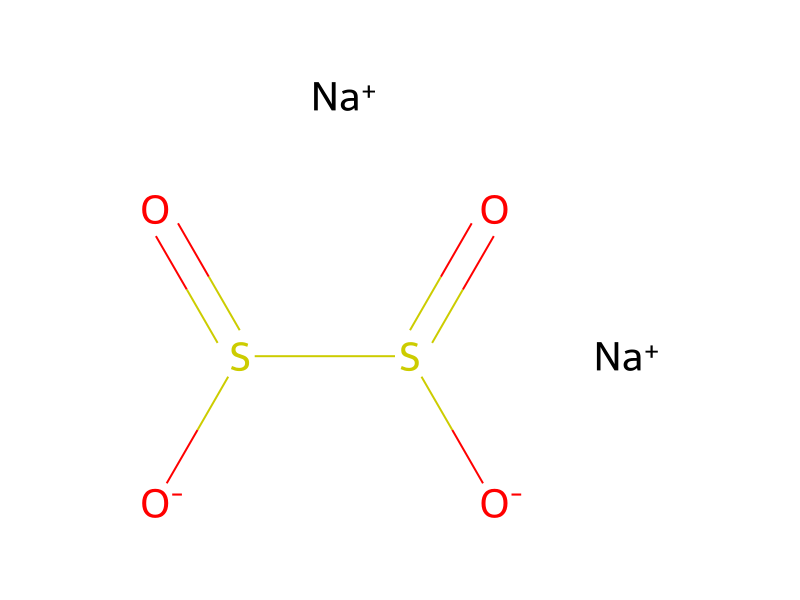
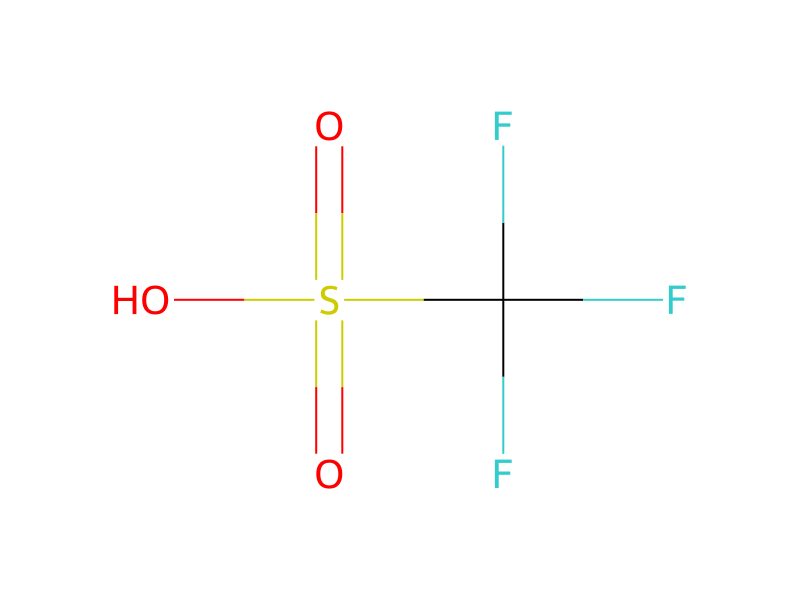
25 g (165 mmol) of 4-ethylnitrobenzene are placed in 200 ml of dichloromethane in a round-bottomed flask and under a stream of nitrogen. 20 ml (230 mmol) of trifluoromethanesulfonic acid and 33 g (115 mmol) of 1,3-dibromo-5,5-dimethylhydantoin are added and the reaction medium is stirred for 2 hours at room temperature. Saturated aqueous sodium hydrosulfite solution is then added. The phases are separated and the organic phase is neutralized with aqueous 2M sodium carbonate solution and then washed with water. It is then dried over magnesium sulfate, filtered and evaporated. 35 g (92%) of the expected product are obtained in the form of a yellow oil.
Workup
- customThe phases are separated
- washwashed with water
- dry with materialIt is then dried over magnesium sulfate
- filtrationfiltered
- customevaporated
Sources & evidence
- ORD record
- ord-2b59274e14724a06ae02d22b74338c58
- Source dataset
- uspto-grants-2005_08
- Patent number
- US06924400B2
Reaction notes
Loading…