Hydrogen Peroxide → 4-Bromo-2-fluorobenzoic acid
Reaction equation

OO.[Br:3][C:4]1[CH:11]=[CH:10][C:7]([CH:8]=[O:9])=[C:6]([F:12])[CH:5]=1.Cl([O-])=[O:14].[Na+].OS([O-])(=O)=O.[K+]>C(#N)C.O>[Br:3][C:4]1[CH:11]=[CH:10][C:7]([C:8]([OH:14])=[O:9])=[C:6]([F:12])[CH:5]=1Participants
7





Procedure
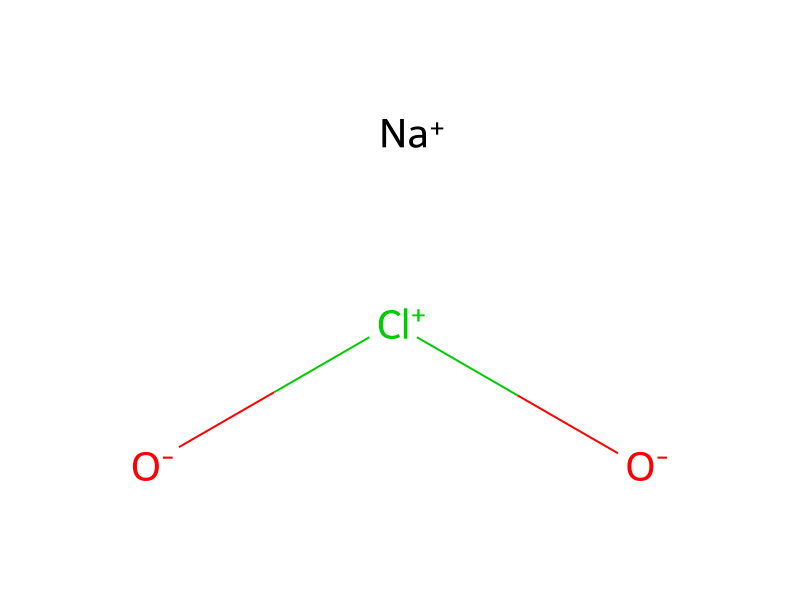
To a mixture of water (3 ml) and acetonitrile (5 ml) were added Na2HPO4.12H2O (0.11 g), 31% aqueous hydrogen peroxide (0.34 g, 3.1 mmol), 4-bromo-2-fluorobenzaldehyde (0.41 g, 2.0 mmol) and sodium chlorite (0.27 g, 3.0 mmol), successively, and stirred at room temperature for 1 hour. The reaction solution was poured into 5% KHSO4, extracted three times with ethyl acetate and the combined extracts were dried over MgSO4. The solvent was evaporated under a reduced pressure to give the title compound (0.42 g; 96%).
Workup
- extractionextracted three times with ethyl acetate
- dry with materialthe combined extracts were dried over MgSO4
- customThe solvent was evaporated under a reduced pressure
Sources & evidence
- ORD record
- ord-e26f25b87da64e2087baf87037b3408a
- Source dataset
- uspto-grants-2005_08
- Patent number
- US06936736B2
Reaction notes
Loading…